Will Millennials in Wine Revive the Industry?
Wine sales and consumption are declining. Studies from the Wine Market Council show how millennials and Gen Z wrestle with their own relationship with wine.

Last updated on January 9th, 2025
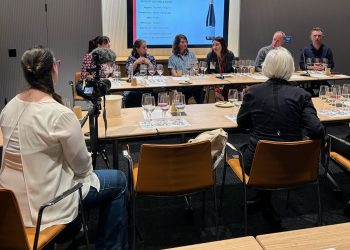
In March of 2024, the Wine Market Council held its first in-person research conference since the COVID-19 pandemic. There have been several changes in the space over the last five years. However, one thing is clear: the industry is declining. The event kicked off with a data presentation surrounding declining demand, shipments and consumption.
A lot of these updates come via the changing perspectives on wine from the younger generations, including younger millennials and Gen Z. Millennials include those born between 1981 and 1996, while Gen Z was born between 1997 and 2012. This means that all millennials are of drinking age, and roughly half of Gen Z is of drinking age.
Overall, WMC’s data shows that the wine industry is at a crossroads. But are millennials and Gen Z consumers positioned to save the industry? And what about these generations turns them away from wine?
Wine and Millennials
WMC’s data was presented by WMC President Liz Thach and wine consultant Danny Brager. Both echoed the same truth: millennials and Gen Z wine drinkers are looking for something different.
Both groups prefer brands that align with their values, including environmental stewardship and social responsibility. They are much less concerned with glowing wine reviews, or top-tier certifications or cult wines.
For the wine industry, this means embracing organic and biodynamic practices, supporting fair trade, and ensuring transparency in production processes. Brands that can tell a compelling story about their commitment to these values will capture the hearts (and wallets) of younger consumers.
But they must first understand that these trends are not phases led by younger people. They are signs of a longer-term trend.
“It’s not merely a passing trend; it’s a reflection of evolving lifestyle choices,” said Isis Daniel, wine expert and content creator known on Instagram as The Millennial Somm. “History has shown that alcohol consumption won’t vanish—just look at the lessons from Prohibition. However, our understanding of cultural identity and what it should be can certainly transform.”
Daniel believes that the best way forward is to focus on those who are currently interested in wine, rather than those who aren’t. These groups have their own identity and appreciation for wine already.
“The way forward is clear: focus on thriving subcultures and unite as a broader community, ensuring everyone feels welcome. This involves reimagining our marketing strategies, influencer collaborations, and wine experiences to align with genuine desires—not assumptions,” she said. She continued, “We have ample resources to understand what people seek in wine culture, and it’s crucial we actually listen to them.”
Daniel herself is focused on building a community of wine enthusiasts to show these younger generations they belong in this industry.
Diversity Matters
One thing we know about both generations as they are demographically more diverse than previous generations and identify in different ways than previous generations. Therefore, it’s not enough to appeal to younger wine drinkers, but also more diverse drinkers.
These generations want to see themselves in every product they buy. When consumers see themselves reflected in an industry, they are more likely to engage with it. Their products are an expression of who they are and what they believe. As noted in the WMC conference, wine professionals need to meet the consumers where they are to be successful.
Young adults turn to Instagram, TikTok, and YouTube for wine recommendations, education and wine community. Brands that leverage these platforms can create a strong, loyal following. Engaging content, interactive experiences, and collaborations with influencers can drive brand awareness and consumer loyalty in ways traditional marketing cannot. These pillars are something that our own leader, Angela McCrae believes wholeheartedly.
“Education, advocacy and community,” said McCrae during a discussion in the conference. She and others were asked for their advice on bridging the gaps between the industry and younger consumers. “Involve yourselves in organizations and movements that cater to groups you want to reach.”
Millennials and Gen Z are not just looking for a drink. They prefer brands that align with their values, including environmental stewardship and social responsibility. For the wine industry, this means embracing organic and biodynamic practices, supporting fair trade, and ensuring transparency in production processes.
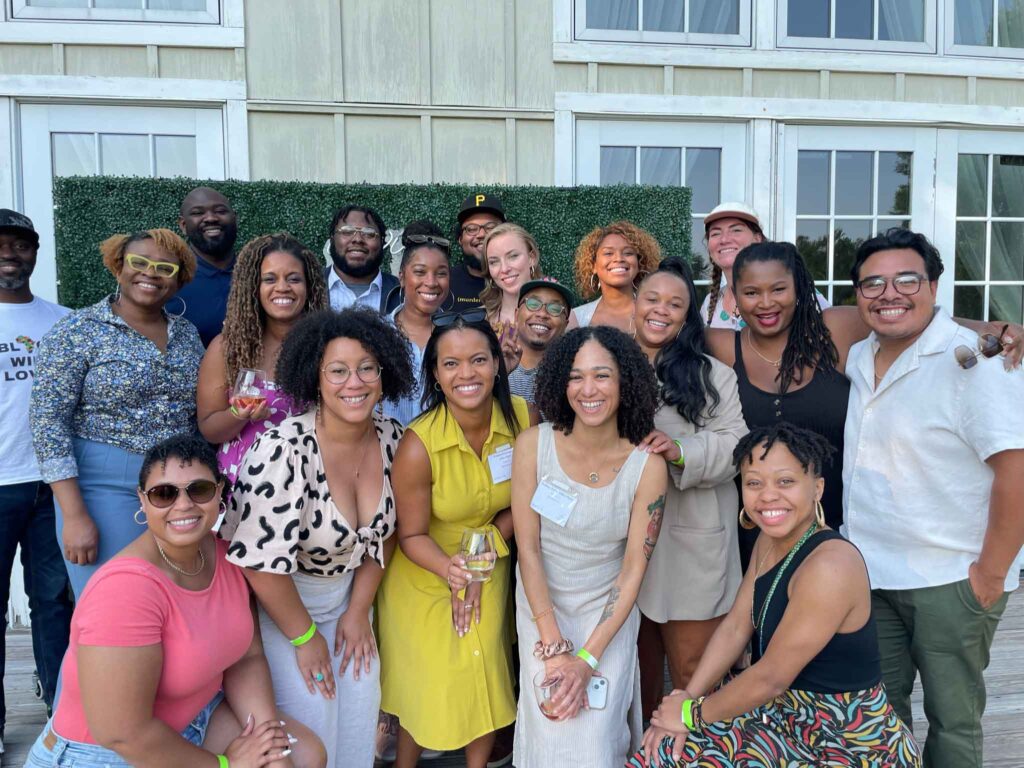
Additionally, organizations like Wine Unify, The Roots Fund and The Veraison Project are working to ensure diverse wine drinkers and wine professionals have access to this industry. Their missions are unique but they all revolve around education, advocacy and community. These organizations are committed to bringing younger, more diverse wine professionals into the industry. All of them provide scholarships for wine exams, mentorship and a community of wine professionals who are making an impact in wine.
Meet Them Where They Are
There are few professionals in the industry doing as much work around younger generations and wine than writer and podcast host Erica Duecy. Duecy runs the Business of Drinks podcast, where her goal is to help the drinks industry grow and thrive. She also led a study of more than 1,300 millennials and Gen Z drinkers. In a substack interview with Tom Wark, Duecy shed some light on some interesting insights.
“Wine is in trouble, especially with younger audiences. There are both product and marketing disconnects at play,” said Duecy. “The biggest growth is in RTDs, meaning ready-to-drink products, in cans, single-serve bottles, pouches, and cartons. These include cocktails and long drinks, hard seltzer, hard coffee and teas, hard kombucha, wine spritzers and coolers, and FABs (alcoholic sodas).”
The success of RTDs is primarily due to their lower cost, but also the ability to drink these beverages from anywhere and everywhere. And that’s a key aspect of appealing to these generations.
“75% of Gen Zs indicated that wine does not offer a good value compared to products like beer and hard seltzer. When you think about it, this makes sense for cash-strapped younger consumers. A single-serve product is an affordable indulgence; it’s a format that encourages trial. It’s a lot easier to justify a $4 to $10 for an RTD than a $30 bottle of wine that you’re not sure you’re going to like,” she said. “In short, we need to do a better job or articulating how wine fits into peoples’ life.”
The Path Forward
The wine industry stands at a pivotal moment. To thrive, it must embrace the multicultural and young adult markets with genuine intent and innovative strategies. The future of wine depends on its ability to adapt and resonate with the next generation of consumers. By embracing diversity, focusing on sustainability, and making wine more accessible, the industry can not only survive but flourish. The next time you raise a glass, remember that the future of wine is bright, colorful, and full of promise.
The Wine Market Council continues to complete its research on millennials and wine. They completed research last month and hosted webinars to discuss its results. More information is available at https://winemarketcouncil.com/research/.

Related Posts