Historic Wine Brands Innovate through Sustainability
Historic wine brands like Chateau Montelena and Miguel Torres Chile use sustainability as innovation during Earth Month

Last updated on May 19th, 2025
Some brands are iconic by name, others by reputation. Consumers in the United States know Chateau Montelena well because of the infamous Judgement of Paris tasting.
For anyone that hasn’t heard of this historic event, imagine the wine industry in 1976. Some call it a blind tasting competition, others simply think of it as a tasting. Either way you have iconic French wines, with a multi-century history and American wines still trying to find a place in the industry. Long story short, Chateau Montelena received the highest score of any wine at the tasting for its 1973 Chardonnay. In fact, American wines won both the red and white wine category. This event catapulted American wines into the industry.
Today, all of the participating wineries, including Chateau Montelena, Stag’s Leap, Heitz Cellars, Ridge and more continue to enjoy critical acclaim for their wines, especially the varietals that won at the tasting. There’s just one problem. As younger millennials and Gen Z continue to enter the market, simply being a historic brand is not enough. With declining sales and a generation clearly not drinking, what will appeal to them?
The Next Generation
It’s no secret that wine sales are down across the industry. Even more obvious is that wine sales among younger generations, including young millennials and Gen Z, are a driving factor in those declining wine sales. The reasons for that are as diverse as these generations.
However, we can learn a lot from broader generational studies on what exactly will appeal to this generation of wine drinkers. What we know for sure, is that this group cares deeply about preserving the planet and sustainability. A study from Pew Research concluded that younger generations are more active online and offline when it comes to climate activism. Millennials lead the way, with 71% saying we need to prioritize climate change, followed by Gen Z with 67%. Only 57% of Boomers feel the same way. They are also more interested in phasing out fossil fuels and buying electric vehicles.
What does all of this mean? This generation is willing to make decisions, including purchase decisions, based on a company’s commitment to sustainability. It’s not the only aspect of their feelings toward wine. However, it can be one of the ways the industry appeals to this group.
A Commitment to Sustainability
Sustainability means a lot of things to a lot of people. It often revolves around the use of pesticides, sulfur or other ways to take care of the grapes and the vineyard. But each winemaker has to make their own choices. Which means their definition of sustainability will change.
Consumers know Chateau Montelena obviously for its wines and the Judgement of Paris story. However, they have been focused on sustainability just as long as their renowned Chardonnay. They are one of a small number of Napa wineries that is running solely on solar energy and have been farming sustainably for decades.
Today, the winery is led by CEO Bo Barrett and winemaker Matthew Crafton. Together, they are taking on an ambitious project to replant 80% of their 100-acre vineyard. This will allow them to continue to adjust row spacing and modernize their practices.
With more than 70 years of combined experience this duo is using institutional knowledge and data to make decisions. They are going beyond just avoiding pesticides, using vineyard sensors and AI to conserve water and enhance fruit quality.
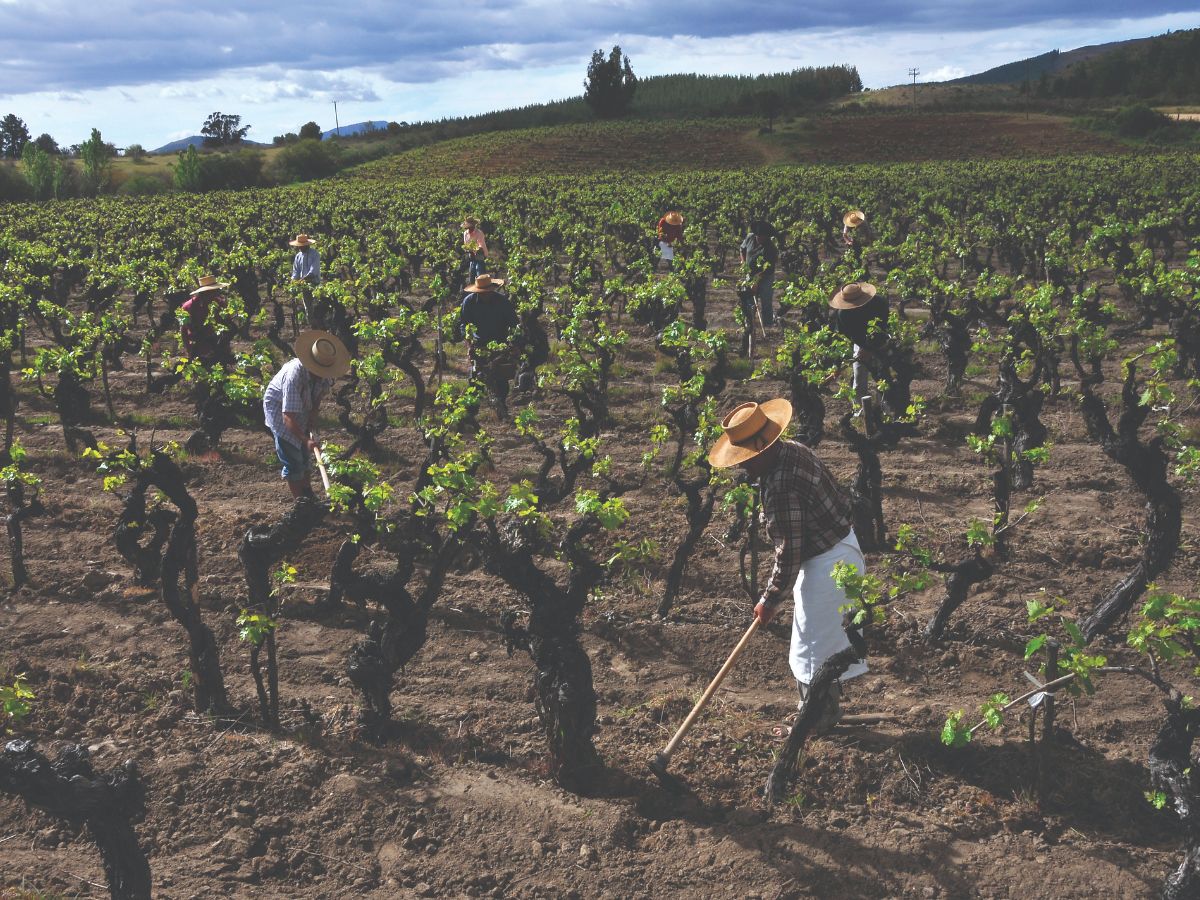
On the other side of the world, Miguel Torres Chile is being led by winemaker Eduardo Jordan and general manager Miguel Torres Maczassek. The duo runs the first foreign winery in Chilean wine country, and they are bringing a passion for sustainability and innovation.
The winery has been introducing Chile to modern ways of farming since the 1980s, today they focus on 100% organic vineyards, dry farming and regenerative viticulture. All of these practices also allow them to give back to the local farmers just as much as the land.
Sustainability is a great narrative for iconic brands to modernize their image. However, it’s critical that those efforts show up in the wines themselves.
Sustainability in the Glass
Farming sustainably doesn’t always show up in the glass. Just like you can’t taste pesticides in conventionally made wine, you won’t be able to detect the absence of chemicals either.
However, the styles and profiles of wines made from sustainable growers are clear. For these growers and winemakers, it often means the wines will have a distinct sense of place. Wines near the sea will have saline notes from the ocean. Wines in warmer climates will burst with fruit aromas. Wines grown in certain soil types will pick up minerality and texture.
While those aspects can come from anywhere, they are a calling card of sustainable winemaking.
For Chateau Montelena, it means their wines will be consistent in their quality level, but each year will present a different wine. For example, the 2017 Chardonnay had more melon and red apple notes, while the 2021 vintage was more about orange blossom, white peach and green apple.
For Miguel Torres Chile, it’s less of a focus on a specific renowned grape and more about planting what works best in the vineyard. They plant ancient grapes like Paìs, classics like Pinot Noir and Cabernet Sauvignon and notable Chilean grapes like Carignan. Each has its own distinct profile, different from other wines in the region or other expressions in other countries.
Ultimately, sustainability provides consumers with a more authentic, natural and relaxed wine experience. But it also gives them a way to take an active role in sustainability, through their purchases.

What’s Next
As Earth Month wraps up, it’s important to remember its mission. The month was established in 1970 in Wisconsin as a way to raise awareness and encourage more action to protect our planet. Winemakers and wineries play a huge role in cultivating land. And historic wineries like Chateau Montelena and Miguel Torres Chile have been cultivating their land for decades.
More importantly, committing to sustainability is not only good for the land, it’s good for the brand. Wineries looking to appeal to younger generations can show that they are up to date by going green. This action can save the industry and the planet all at once.

Related Posts