Increasing Leadership in the South African Wine Industry
There are many organizations advocating for diversity in leadership within the South African wine industry. Here’s how they are working to change the top of the industry.

Last updated on December 31st, 2024
While South Africa is a country that boasts a black majority, most are born economically and socially disadvantaged. In fact, in 2004, the Broad-Based Black Economic Empowerment (B-BEE) Amendment Act commenced to answer that disparity. According to the The Department of Trade Industry and Competition, the idea was to “advance economic transformation and enhance the economic participation of black people in the South African economy.” Similar to affirmative action and DEI initiatives in America, B-BEE endeavors to empower the spending and earning power of People of Color (PoC).
While some South African industries, namely the commerce and the education sector, have managed to bring PoC into the fold, the hospitality industry – particularly wine – still leaves a lot to be desired. When you visit a winery, you might be served by an ensemble of black wait staff, but few have risen to the ranks of notable stakeholders. Yet.
Where can we change?
“There is so much talent in South Africa,” Sommelier Wellington Muromba begins, “There’s been a great integration of cultures; people who enjoy the grape are filling gaps as horticulturalists, winemakers and sommeliers.” The renowned Sommelier, Wine Judge and Wine Educator commends the industry for the transformation he’s seen over the last decade, but notes that more can be done if information was readily available to empower professionals.
“All these amazing organizations offering internships and sponsoring training programs exist, but you never hear of them. The government needs to do more in circulating information about what opportunities are out there,” Muromba explains.
Engaging with South African Wine Employers
For industry professionals like Ian Manley, Founder of non-profit The Black Cellar Club (BLACC), it’s important that the change comes from the industry and that it be sincere.
“I fear that there is an element of ‘black-washing’ – employing black professionals with the main drive to use these persons in their marketing campaigns.” B-BEE ratings carry a certain level of influence in South Africa, and companies have been known to manipulate this in the very way Ian mentions. “Salaries are questionable in these circumstances as what these persons are providing the brand-build to their employers and their respective businesses far out ways their remuneration,” Ian explains.
Sommelier, wine entrepreneur and Director of Education at BLACC, Tuanni Price, believes the opportunities for diversity are expansive. “I recently launched my own wine label and, while I partnered with Greg Siebrits who is a talented PoC winemaker, I would’ve loved to get my wine labels printed with a black label maker or worked with a black-owned bottling plant. There are so many opportunities outside of owning your own wine label, which is a great achievement too. I just think that we can come up with more entrepreneurial opportunities that leverage the entire value chain in a more strategic way,” Tuanni shares.
Who can help with the change?
There are a handful of organizations committing to the redistribution of power and influence within the industry. Cape Winemakers Guild (CWG) has provided invaluable training and support for PoC interested in advancing their careers in the wine sector. Not only does CWG have aprotege program that invites 41 elite wine professionals to participate in an internship, but further funding is provided to give South African wine professionals global exposure.
This month, Tuanni travels to France to serve as a mentor and volunteer at Bordeaux Mentor Week and will use the trip to touch base with a few of the CWG interns working the harvest in France this year. “I’m traveling to Bordeaux Mentor Week with Lethabo Mothwa, who is a phenomenal Head Sommelier of Marriott Hotel in Johannesburg. This is a great opportunity and exposure for her, as well as the interns who get to experience the harvest in another country – they’ll learn about different climates and terrains. They also learn under different wine makers. It’s all career-building experience,” Tuanni explains.
Organizations Supporting South African Wine Professionals
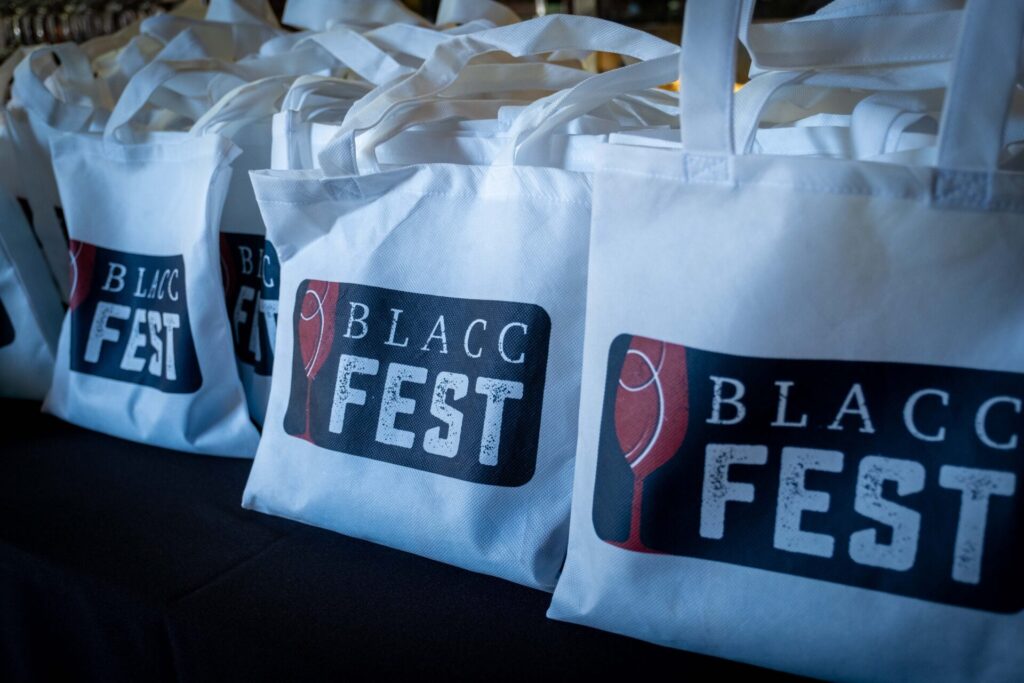
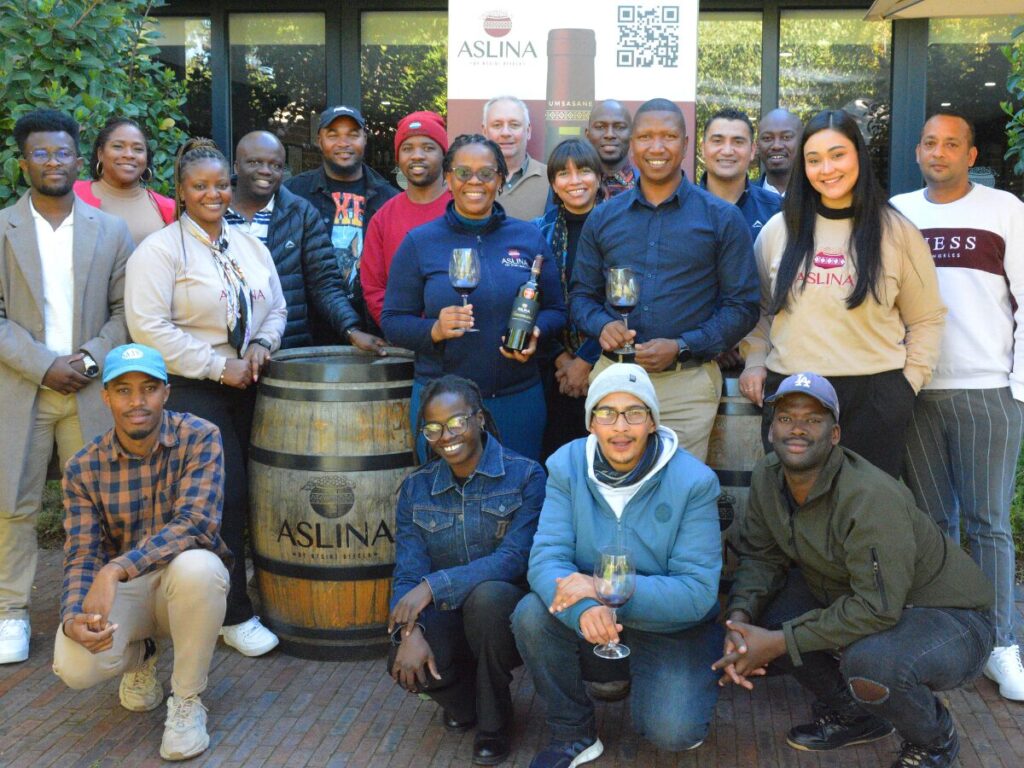
BLACC itself, a not-for-profit organization established in 2016, provides educational excursions for professionals of the industry. Additionally, they provide scholarships through the Wine and Spirits Education Trust (WSET) and the International Wine Centre (WEC) to hundreds of professionals of color hoping to complete their level 1 and level 2 wine courses.
This internationally recognised qualification certainly bolsters PoC resumes. “We currently have an Uber driver, who I met on an Uber Black trip about a year ago. I noticed that he kept a WSET Level 3 tuition book wedged between his driver’s seat and the hand-break. I enquired about it, and the person explained to me that he reads the text book whenever he has a gap but unfortunately, he didn’t have the funds to do the course and complete the examination. He became a member of BLACC and I arranged a bursary for him, which he is currently completing,” Ian shares.
What does change mean for the South African wine industry?
The experiential aspect of wine certainly has been receptive to PoC, as the South African wine industry has more than a handful of black brandowners, winemakers and wait staff.
“We’ve seen the rise of regions such as Swartland and Bot River as popular wine regions outside of Stellenbosch and Franschhoek because the industry is growing to accommodate more professionals and service providers,” Wellington shares.
Abongile Ntloko is one of the country’s latest wine entrepreneurs with her small batch Mystery Lady Wines. “I’ve always envisioned myself occupying spaces traditionally dominated by others. As a township-born entrepreneur, I want people of color to feel welcome in the world of bottled wine, moving beyond the stigma of boxed wines,” the musician turned lifestyle tastemaker shared. Launched at the end of August, Mystery Lady wine targets a diverse audience, prioritizing underserved communities.
When it comes to racial equity, the adage “there is room for all of us,” rings true. Opening up the industry to make room for unique perspectives creates a bigger sector for all wine professionals to benefit from. As Wellington simply puts it, “racial inclusions acts like a key that will unlock a whole world of possibility, if we just let it.”
People wishing to join the club can email Ian at: [email protected].

Related Posts