

Japanese Sake and Wine Culture Meet
The Art of Combining Japanese Sake with Western Wine Culture

In recent years, Japanese sake has been making waves in Western wine circles, captivating enthusiasts with its rich history, diverse flavors, and versatility. This ancient rice-based beverage is stepping into the spotlight, inviting wine lovers to explore its depths and discover harmonious pairings with both Japanese and Western cuisines.
The Rise of Sake in Western Culture
Sake, often referred to as Japanese rice wine, has been a cornerstone of Japanese culture for over 2,000 years. Traditionally enjoyed during ceremonies and festivals, sake’s production involves fermenting polished rice with water, yeast, and koji mold. Unlike wine, which relies on the natural sugars in grapes, sake’s brewing process converts rice starches into sugars before fermentation, resulting in a unique flavor profile.
As global interest in Japanese cuisine has surged, so too has the curiosity about sake. In the United States, sake imports have seen a significant increase, with the beverage finding its place on menus beyond Japanese restaurants. Sake’s versatility and range—from light and fruity to rich and umami-packed—make it an appealing choice for those looking to expand their palates.
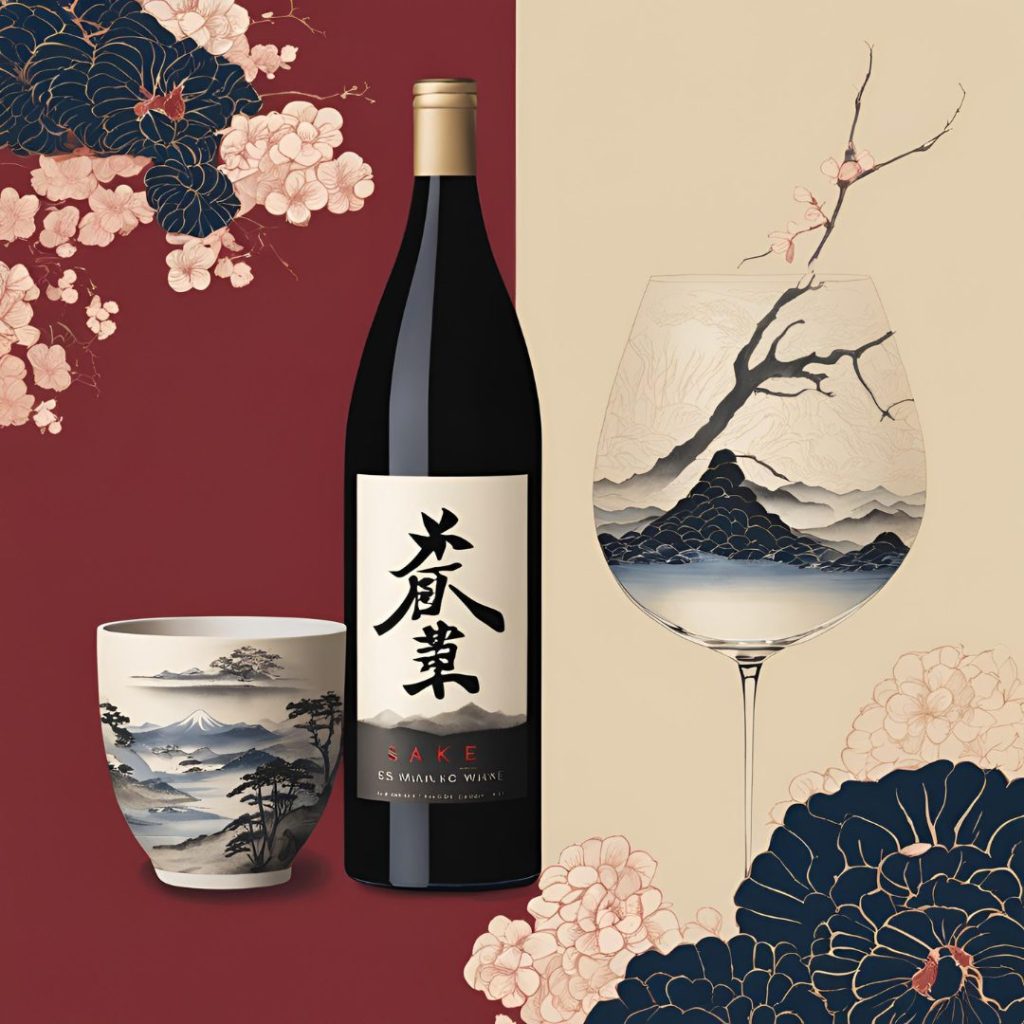
Understanding Sake: A Brief Guide
For those new to sake, understanding its classifications can be important to the tasting experience. Here are some common types:
- Junmai: Pure rice sake with no added alcohol, known for its full-bodied and robust flavor.
- Ginjo: Made with rice polished to 60% of its original size, offering a light, fruity, and floral profile.
- Daiginjo: A premium sake with rice polished to 50% or less, delivering a refined and complex taste.
- Nigori: Unfiltered sake with a cloudy appearance, offering a sweet and creamy texture.
While both sake and wine are fermented beverages, their production methods and flavor profiles differ significantly. Wine’s acidity comes from the grapes, whereas sake has a lower acidity, resulting in a smoother mouthfeel. This subtlety allows sake to pair seamlessly with a variety of dishes, complementing flavors without overpowering them.
The alcohol content in sake typically ranges from 15% to 17%, slightly higher than most wines. However, sake’s balanced profile ensures it remains approachable, even for those new to the beverage.
 Pairing Sake with Western Cuisine

One of the most exciting aspects of sake’s integration into Western culture is its potential for food pairings. Here are some tips to get started:
- Consider Flavor Profiles: Match the weight and intensity of the sake with the dish. Light sakes pair well with delicate flavors, while robust sakes complement hearty dishes.
- Balance and Harmony: Aim for pairings where both the sake and the food enhance each other. For example, a rich Junmai sake can balance the creaminess of a pasta dish.
- Experiment with Styles: Don’t hesitate to try different sake styles with various cuisines. A fruity Ginjo might pair surprisingly well with spicy dishes, offering a cooling contrast.
Suggested Pairings
- Cheese and Charcuterie: Aged cheeses and cured meats have strong umami flavors that pair well with the savory notes of Junmai sake.
- Grilled Meats: The smoky flavors of grilled steaks or barbecued ribs are complemented by the depth of a Daiginjo sake.
- Seafood: Light and floral Ginjo sakes enhance the delicate flavors of grilled fish or seafood pasta.
- Spicy Dishes: The subtle sweetness of Nigori sake can balance the heat in spicy cuisines. Try Mexican or Thai dishes.
Embracing the Sake Experience
>>>>>>>>>>>>>>>>>>>>>>>>>>>>>>>>>>>>>>>>>>>>>>>>>>>>>>>>>>For wine enthusiasts looking to delve into the world of sake, consider attending sake tastings or visiting establishments that offer a diverse sake menu. Engaging with knowledgeable sommeliers or sake experts can provide insights into different styles and brewing techniques, enriching your appreciation for this storied beverage.
>>>>>>>>>>>>>>>>>>>>>>>>>>>>>>>>>>>>>>>>>>>>>>>>>>>>>>
As sake continues to gain popularity in Western circles, its fusion with diverse culinary traditions offers a delightful journey for the palate. By exploring sake alongside wines and various foods, enthusiasts can experience a harmonious blend of cultures and flavors. This way we can celebrate the art of fermentation in its many forms.
>>>>>>>>>>>>>>>>>>>>>>>>>>>>>>>>>>>>>>>>>>>>>>>>>>>>>>
Incorporating sake into your dining repertoire not only broadens your beverage horizons but also pays homage to a time-honored tradition that has been an integral part of Japanese culture for millennia. So, the next time you’re selecting a drink to accompany your meal, consider reaching for a bottle of sake and embark on a new and flavorful adventure.

Related Posts


