What Is the Black Women in Food Summit? Everything You Need to Know
The 4th Annual BWIF Summit is three days of culinary, culture, and community-building that the food and beverage world needs. Uncorked & Cultured is an official sponsor, pouring with purpose.

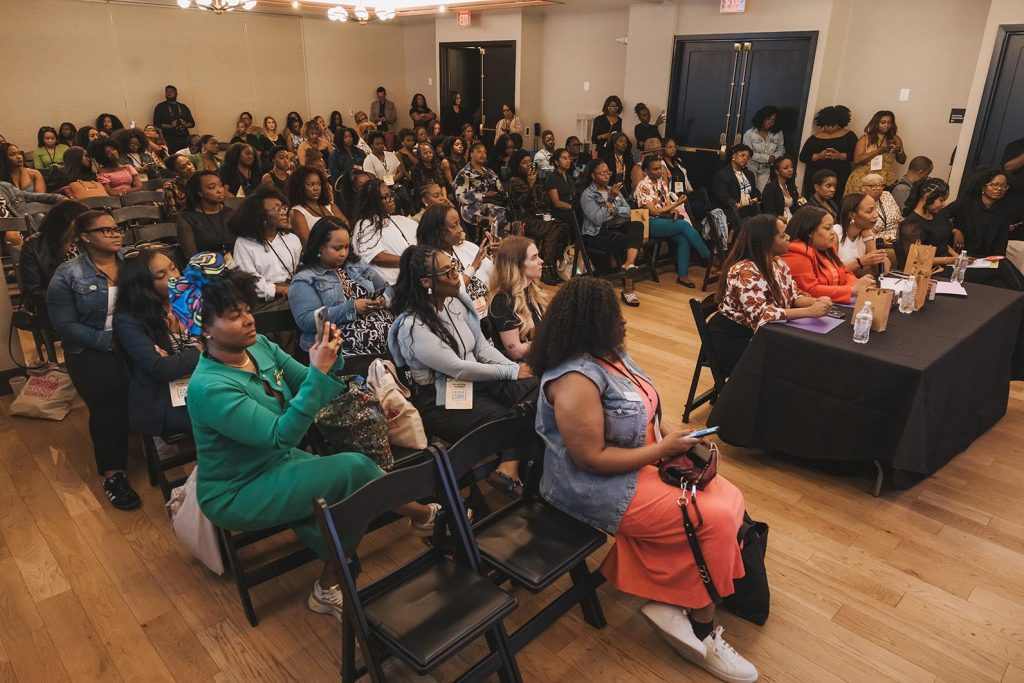
There’s an energy of fellowship and purpose that builds in a room when the people are tired of waiting for access and decide to build their own platform. You feel it in the impactful silence before someone speaks, in the way a conversation about market strategy pivots into something about identity, diaspora, and inheritance. That’s the energy at the Black Women in Food Summit, and on April 23–25, 2026, it returns to Washington, D.C. for its fourth year, bigger and more ambitious than ever, celebrating women and sharpening perspective through thought-provoking sessions and pitches for access to funding.
This isn’t a conference about representation as aspiration. It’s a global infrastructure for Black women across every corner of the food and beverage industry. From chefs and restaurateurs to food writers, farmers, sommeliers, and entrepreneurs, the BWIF Summit attendees are women building toward lasting community collaboration.
For Uncorked & Cultured, being part of this moment is a partnership and continuation of our mission: connecting BIPOC communities to wine, wellness, culture, and adventure — and amplifying the people building that future throughout the diaspora.
Recognizing the Need for a Standalone Platform
Black Women in Food began as an initiative of Dine Diaspora, the organization co-founded by Nina Oduro and Maame Boakye to connect people and brands to African diaspora food culture. In doing that work, they kept encountering the same reality: Black women in food were everywhere, doing extraordinary things, and consistently overlooked by the systems designed to support professional growth.
The decision to build BWIF as its own dedicated entity was deliberate. As Maame Boakye, President and Co-founder of Dine Diaspora, explains: “We realized Black Women in Food had to exist as a standalone entity to meet the scale of the need. For too long, Black women in the industry shared that pathways to growth and opportunity were nearly nonexistent.”
That recognition demanded more than a new program that only scratches the surface of the issue. It required, as Boakye puts it, “specialized programming, dedicated funding, and strategic partnerships,” infrastructure that couldn’t be added onto their existing Dine Diaspora platform. So they built a new one.
Inclusivity Over Hierarchy and Exclusion
Nina Oduro, CEO and Co-founder of Dine Diaspora, brings a levity to what equity in the food system actually requires and why cultural perspective isn’t just a soft value but a structural one. “We are the embodiment of what diaspora means, born in one country and shaped by the communities we’ve built across others,” she says. “This lived experience of cultural fluidity informs our vision for a radical reimagining of the food industry.”
For Oduro, the stakes are concrete. “Without this inclusivity, the industry defaults to hierarchy and exclusion,” she says, “dictating which heritages are ‘desirable’ and gatekeeping the power to define culinary culture.” Her vision is deliberate in its scale: a food system where, as she frames it, “food is a bridge, not a barrier, and where professionals from all backgrounds are supported to thrive.”
“We see a future where food is a bridge, not a barrier, and where professionals from all backgrounds are supported to thrive. Without this inclusivity, the industry defaults to hierarchy and exclusion.”
— Nina Oduro, CEO & Co-founder, Dine Diaspora
What “Amplification” Looks Like
BWIF’s mission framework, identify, amplify, support, is easy to say and harder to operationalize. Boakye offers a specific example of what it looks like in practice, through BWIF’s partnership with SupplySide Global, a premier trade show and media partner for the food and beverage industry.
“Intentionality sits at the heart of our mission,” Boakye explains. “First, we identify who is being impacted; next, we amplify and celebrate their existing contributions; and finally, we build the pathways necessary for their growth.” Through the SupplySide Global partnership, BWIF provides community members with direct access to global trade shows, enabling them to connect with key suppliers and position their brands for retail success. “The result has been transformative,” she notes, “with many members reporting critical business shifts that have fortified their long-term viability.”
“Intentionality sits at the heart of our mission. First, we identify who is being impacted; next, we amplify and celebrate their existing contributions; and finally, we build the pathways necessary for their growth.”
— Maame Boakye, President & Co-founder, Dine Diaspora
Three Days, One Clear Direction
This year’s Summit expands to a full three-day schedule under the theme “Ascend: Together in Purpose in the Face of Change.” Oduro is clear about what that theme requires of attendees: “The world is in flux, and for Black women, the compounding impacts of economic and social instability are undeniable. In times of disruption, community is our greatest competitive advantage.”
Oduro views the Summit as the key tool for gaining that advantage. “The Summit serves as a vital sanctuary to assess the challenges around us and pivot toward what is possible,” she says. “By leveraging the talent, capital, and brilliance already present in our community, we create our own upward mobility. To reach the next level, we must get there together.”
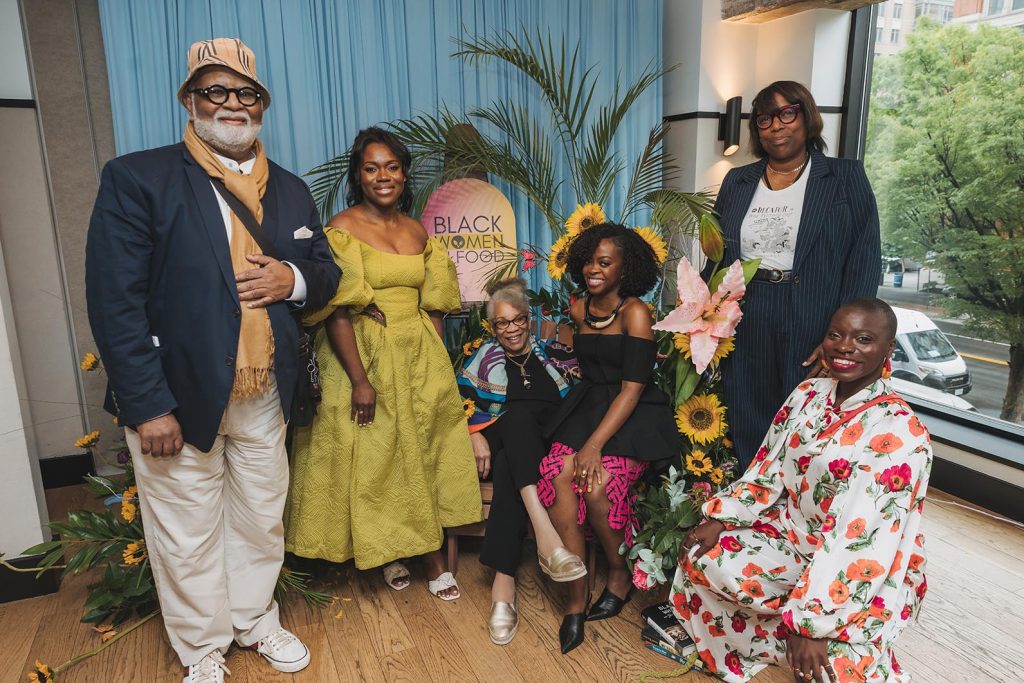
The most significant addition this year is a dedicated Executive Leadership Day on Thursday, April 23, as a deliberate space for high-level convening among strategic decision-makers in the food and beverage industry. It’s a format that most industry conferences don’t bother to build, and its inclusion signals how seriously BWIF takes the full pipeline: from emerging professional to executive table.
The 2026 Summit also marks a milestone in BWIF’s research efforts. Through a landmark partnership with Cornell University, the organization has captured unprecedented data on the barriers Black women face in the food industry. Findings are set for release at the Summit — and are expected to validate what the community has known from lived experience: that systemic barriers require systemic solutions, grounded in data. As Oduro frames it, “we are turning lived experience into actionable data.”
THE 2026 SUMMIT AT A GLANCE
Thursday, April 23 — Executive Leadership Day & VIP Reception
High-level workshops for industry decision-makers. Evening receptio curated for strategic networking.
Friday, April 24 — Panels, Workshops, Keynote & Restaurant Activations
Confirmed speakers include James Beard Award-winning author Toni Tipton-Martin,TV host and chef Kardea Brown-Smith, Robin McBride of McBride Sisters Wine Company, Angela Johnson of Uber Eats, Alex Hill, Anela Malik, and Vallery Lomas.
Saturday, April 25 — Marketplace, Pitch Competition & Service Learning
A curated marketplace, pitch competition presented by New Voices Foundation and service-learning programming.
📍 Capital Turnaround | 700 M St SE, Washington, DC 20003
🎟 Tickets: blackwomeninfood.org/summit
Where Wine Enters the Room
Uncorked & Cultured is on the ground at the 2026 BWIF Summit as an official sponsor, curating the wine selections for the Thursday VIP Reception and an educational wine tasting session with wine professional and author Cha McCoy on Friday, April 24. Our support recognizes that wine and food cultures are the same when Black people are in the room, and that the BWIF community deserves a thoughtfully curated wine experience.
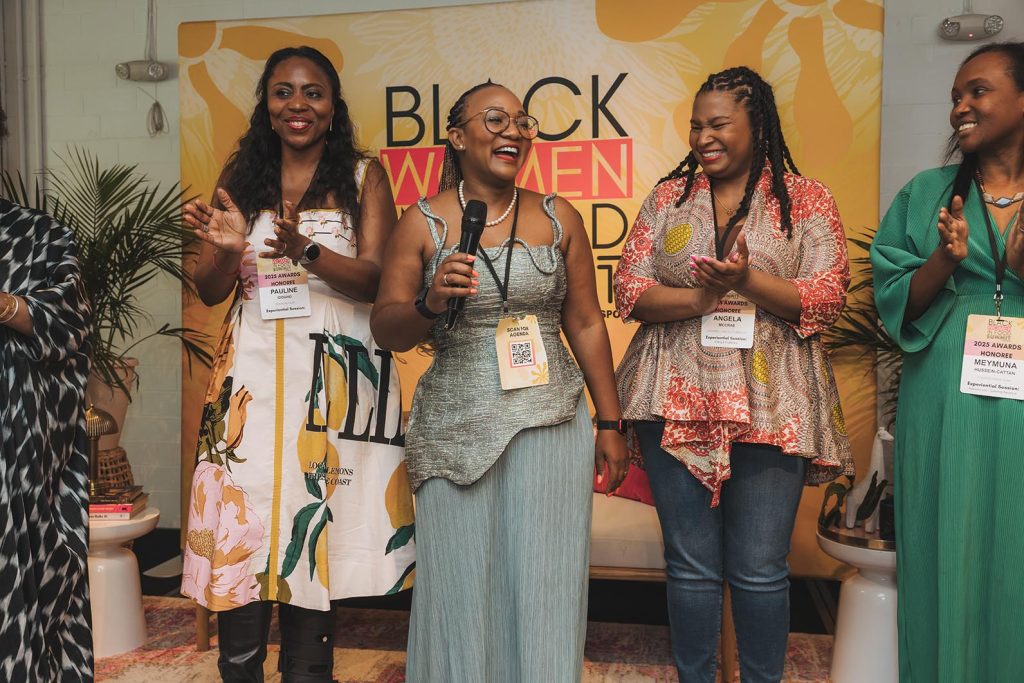
McCoy, whose debut book, Wine Pairing for the People, has been nominated for the 57th NAACP Image Award for Outstanding Literary Work — Instructional, brings a methodology rooted in cultural fluency and accessibility. Her session is based on her book’s core idea: that diaspora cuisines — like jollof, oxtail, jerk chicken, and injera — have always merited excellent wine. BWIF’s audience already knows this from the inside. McCoy gives the language and the glass to go with it.
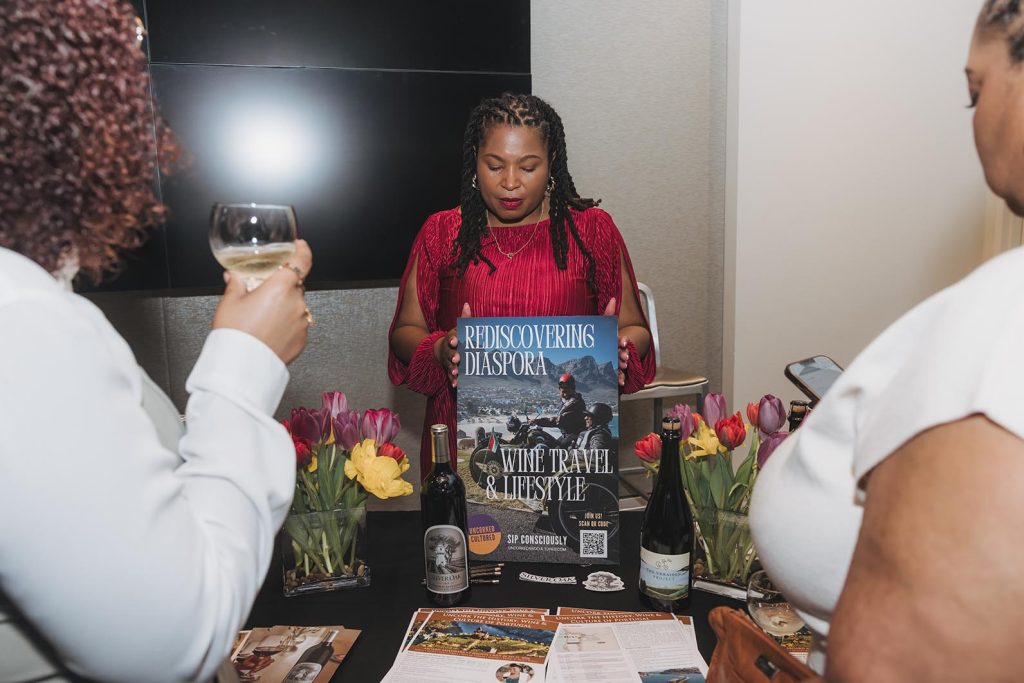
Partnership disclosure: Uncorked & Cultured is a wine partner of the 2026 Black Women in Food Summit, providing wine for the VIP reception and the educational tasting session led by Cha McCoy. All editorial coverage reflects our independent editorial judgment.
Why This Summit Is Worth Traveling For
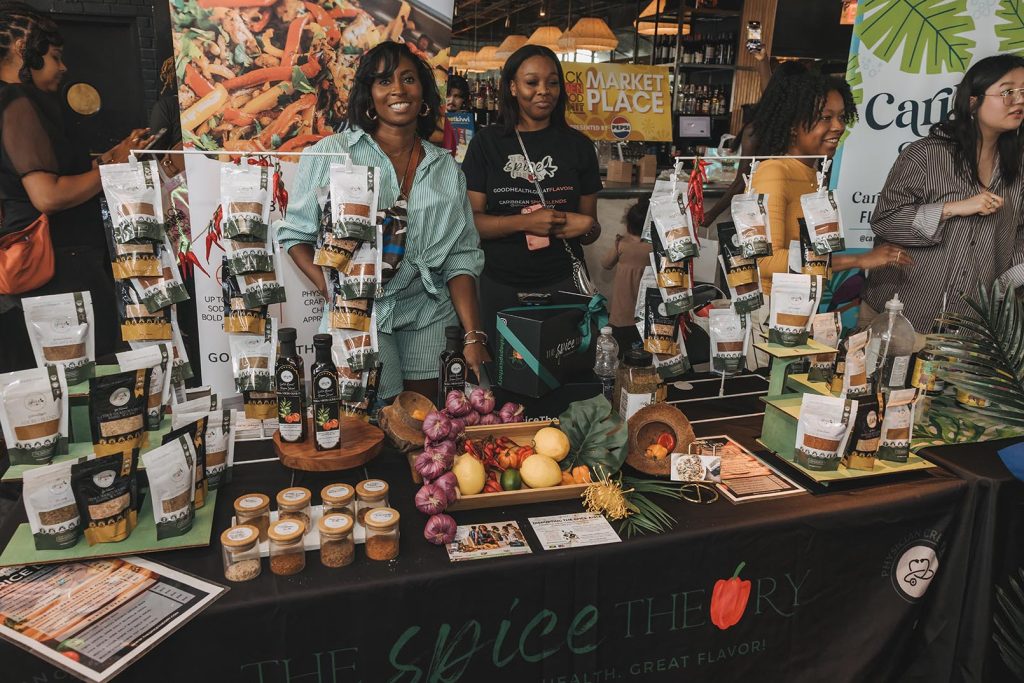
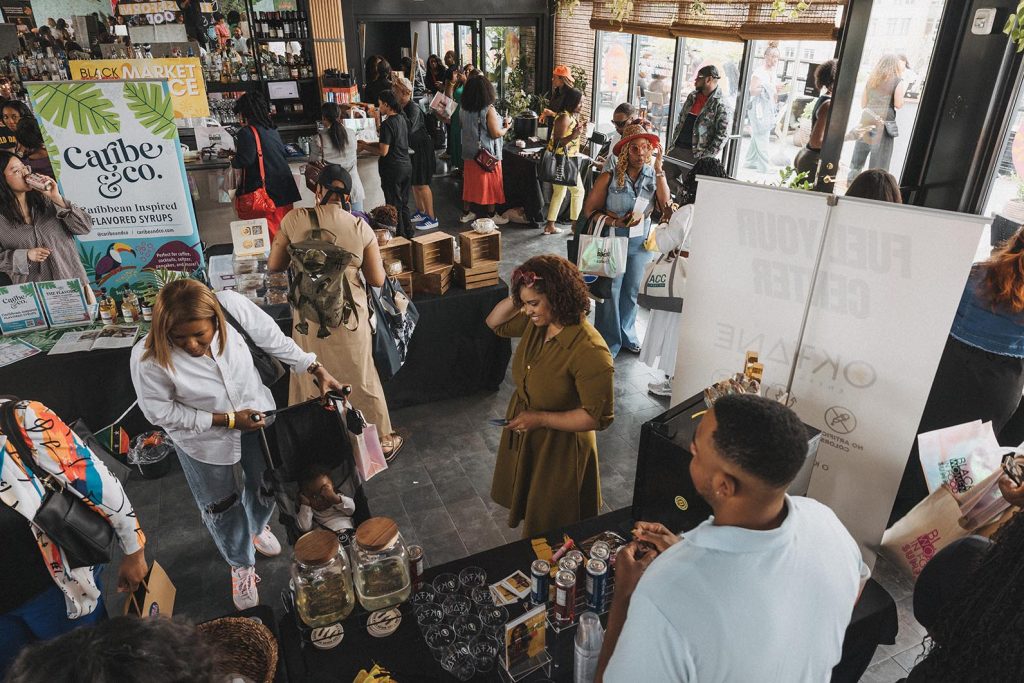
Washington, D.C.’s season of Cherry Blossoms in late April is reason enough to book a flight. But the Black Women in Food Summit offers something the calendar rarely provides: three days of programming for the professional ready to be in a room where everyone else is building, too. The pitch competition, presented by New Voices Foundation, offers food entrepreneurs a live stage to access capital and visibility. The curated marketplace connects emerging brands with buyers and the community. And the Executive Leadership Day provides a format that most industry conferences overlook entirely.
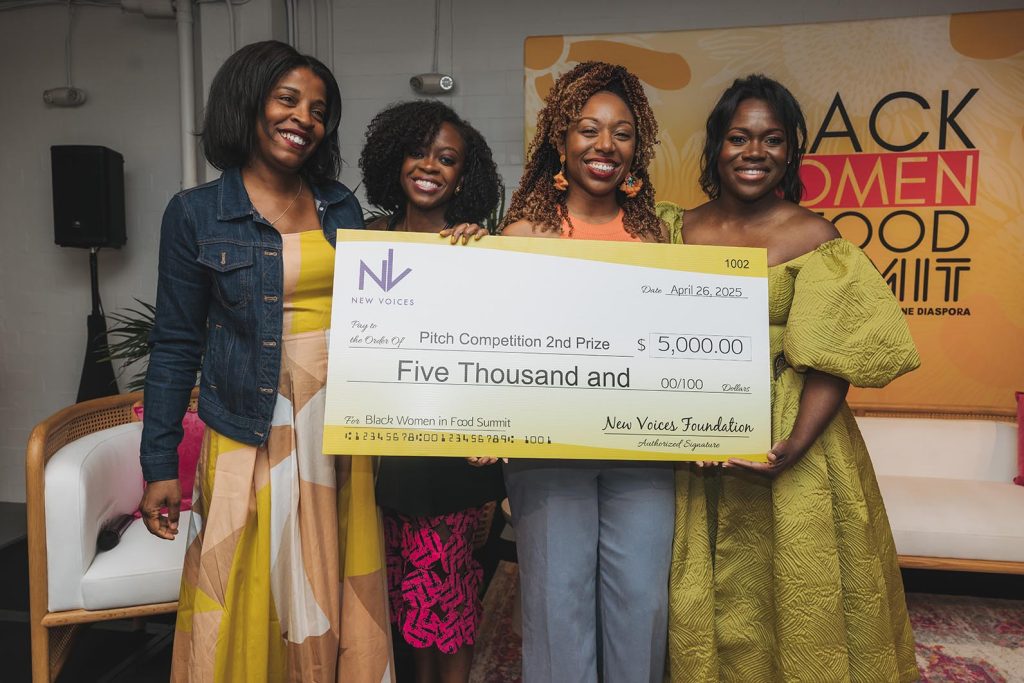
If you’ve followed U&C’s coverage of Black excellence in food, wine, and hospitality, from the Cook Out at the Vineyard to the Black Food and Wine Experience, the BWIF Summit belongs in that same company. These are the gatherings where the industry’s future is decided. As Boakye puts it: “This space is made for you.”
The 4th Annual Black Women in Food Summit is more than an industry event. It’s evidence of what becomes possible when the people doing the work decide to do it together and build the infrastructure to make it last. We’ll see you in D.C.!

Related Posts