A Complete Guide to Black-Owned Wineries Around the World
From Napa to South Africa and beyond, discover Black-owned wineries, their founders’ stories, and the signature wines shaping global wine culture.

Black-Owned Wineries: Culture, Legacy, and Representation in Every Pour

Black-owned wineries are built on craftsmanship, community, and the power of reclaiming the land through wine.
Wine is culture in a glass. Every sip carries land, legacy, and the hands that tend the vines. For Black winemakers, it’s a story of resilience and vision—transforming barriers into vineyards and heritage into living legacies.
From the valleys of Napa to the sunlit hills of South Africa, Black-owned wineries are producing world-class wines while reclaiming space, shaping identity, and inviting the world to taste a deeper story.
Why Black-Owned Wineries Matter in Wine Culture
The wine industry has long reflected inequality. Access to land, capital, and visibility has often been out of reach for many Black entrepreneurs. The rise of Black-owned wineries is changing that narrative, and here’s why it matters:
-
Representation: Ownership defines visibility. Who owns the land and pours the wine shapes who gets celebrated.
-
Cultural storytelling: These wineries weave heritage into their bottles, honoring family, ancestry, and history.
-
Craft with purpose: Beyond flavor, each wine carries meaning, identity, and a mission for change.
Black-Owned Wineries in the United States
Brown Estate – Napa Valley’s First Black-Owned Winery
Founded by siblings Deneen, David, and Coral Brown, Brown Estate became the first Black family-owned estate in Napa. Their iconic Zinfandel stands as both a bold wine and a symbol of inclusion and pride.
McBride Sisters Collection – A Global Black-Owned Wine Brand
Robin and Andréa McBride grew up continents apart, only to unite through their shared vision. Their brand, featuring Black Girl Magic and SHE CAN, has become one of the largest Black-owned wineries in the U.S.—celebrating empowerment and authenticity.
Vision Cellars – Black Winemakers in Sonoma
Founded by Mac McDonald, Vision Cellars honors his love for Pinot Noir and his journey to create representation in Sonoma’s elite wine community.
Theopolis Vineyards – Black Women in Wine Leadership
Theodora Lee, known as “Theo-Patra,” founded Theopolis Vineyards and quickly became a force in California winemaking. Her Petite Sirah has achieved cult status for its depth and excellence.
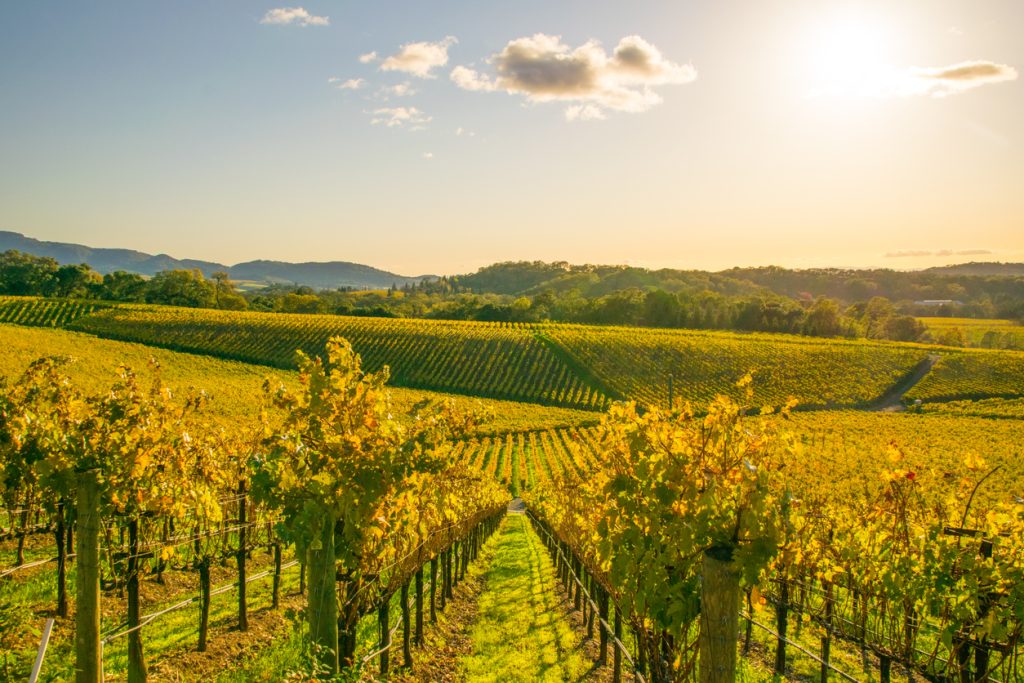
To learn more about how this movement is reshaping the U.S. wine landscape, explore our feature on Black-Owned Wineries and Culture in Napa Valley.
Black-Owned Wineries in South Africa
With a history shaped by colonialism and apartheid, South Africa’s wine industry is undergoing a transformation—led by a new generation of Black-owned wineries defining excellence and ownership.
Klein Goederust – Franschhoek’s First Fully Black-Owned Winery
Owned by Paul Siguqa, Klein Goederust blends tradition and progress through its Cap Classique sparkling wine, Nomaroma.
Aslina Wines – Founded by Ntsiki Biyela, South Africa’s First Black Female Winemaker
Named after her grandmother, Aslina Wines is Biyela’s tribute to strength and heritage. Her Bordeaux-style blend Umsasane reflects both skill and story.
House of Mandela Wines – Legacy in Every Bottle
Created by Nelson Mandela’s family, this brand honors legacy, unity, and the deep connection between land and leadership.
Seven Sisters Vineyards – Family and Heritage in Stellenbosch
Run by the Brutus sisters, each varietal represents one sibling. Their vineyard is a heartfelt celebration of family and cultural identity.
Other Notable Black-Owned Wineries Worldwide
-
Nyarai Cellars (Canada): Crafting expressive, food-friendly wines.
-
HER Wine (South Africa): Female-led label producing fresh, modern blends.
-
Kumusha Wines (Zimbabwe/South Africa): Founded by Tinashe Nyamudoka, “Kumusha” means “your roots,” blending African culture with terroir.
Signature Wines to Try
-
Brown Estate Zinfandel (Napa) – Bold fruit and spice.
-
Aslina Umsasane (South Africa) – Rich, layered, and soulful.
-
HER Sauvignon Blanc (South Africa) – Crisp and refreshing.
-
McBride Sisters Black Girl Magic Riesling (USA) – Aromatic and joyful.
Challenges and Progress
While progress continues, challenges remain:
-
Limited access to land and funding.
-
Visibility in distribution networks.
-
Growing consumer awareness.
Yet, momentum is building. Initiatives like The Wine Arc in Stellenbosch are amplifying diverse voices and reshaping global wine culture.
How to Support Black-Owned Wineries
Supporting these wineries goes beyond the bottle. It’s about honoring culture and empowerment.
-
Visit: Explore vineyards in Napa, Sonoma, or the Cape Winelands.
-
Buy direct: Support through winery websites.
-
Request locally: Ask restaurants and shops to feature Black-owned labels.
-
Share the story: Every mention widens the circle of visibility.
The Future of Black-Owned Wineries
Black-owned wineries remind us that wine is not only about taste—it’s about story, land, and legacy. From California to Cape Town, these winemakers are redefining excellence through resilience, artistry, and pride.
Raise your glass to more than just great wine. Raise it to representation, culture, and the future of wine itself.

Related Posts