Top Wine Regions to Visit Worldwide
From the Douro to the Cape Winelands, discover where heritage, sustainability, and flavor meet adventure.

Last updated on December 7th, 2025
A New Era of Wine Travel
In 2025, wine tourism is evolving beyond vineyard tours and tastings. It is about connection, storytelling, and cultural exchange. Travelers are looking for experiences that combine nature, cuisine, and authenticity.
The global wine tourism market is projected to reach 106.7 billion USD by 2030 (Grand View Research), reflecting the growing desire among travelers to explore culture through wine, food, and heritage. Today’s wine lovers are seeking more than bottles — they crave immersive journeys that connect tradition, innovation, and terroir.
Whether you are exploring centuries-old estates in Portugal, sustainable vineyards in South Africa, or hidden wineries in California, this guide highlights the world’s most captivating wine regions to explore in 2025 — including The Douro River Wine Cruise in Portugal, a cultural voyage blending luxury, history, and heritage-rich vineyards.
1. Douro Valley, Portugal: River, Heritage, and Soul
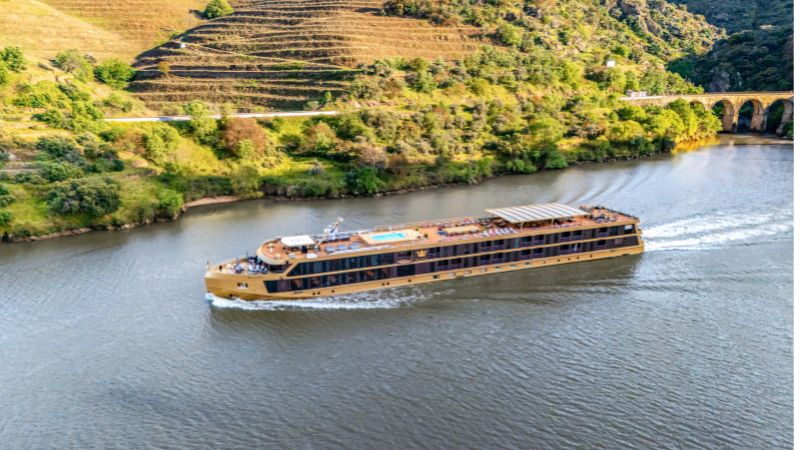
The Douro Valley is one of the world’s oldest demarcated wine regions and a UNESCO World Heritage Site. Its terraced vineyards stretch along the Douro River, creating a landscape that feels timeless. This region is the birthplace of Port wine and increasingly known for elegant still reds.
In 2025, travelers are embracing slow river journeys through the Douro, where luxury cruises blend vineyard visits, local cuisine, and culture.
Top Experiences
-
Visit Quinta do Crasto and Quinta do Seixo for exceptional wines and sweeping river views.
-
Explore the Peso da Régua Museum of Wine for insight into the valley’s history.
-
Book a Douro River cruise that includes wine pairings, cultural excursions, and spa treatments.
Best Time to Visit: Late September to early October for harvest season.
Travel Tip: Spend a night in Porto before heading upriver and enjoy a traditional fado performance with a glass of tawny Port.
2. Cape Winelands, South Africa: Diversity and Design

Stretching across Stellenbosch, Paarl, and Franschhoek, the Cape Winelands combine world-class wines with deep cultural heritage. This region has become a leader in sustainable viticulture, drawing eco-conscious travelers from around the world.
It is also home to a growing number of Black-owned wineries that reflect South Africa’s spirit of transformation and creativity.
Top Experiences
-
Taste wines at Aslina Wines by Ntsiki Biyela and Carmen Stevens Wines, two pioneers in South Africa’s wine renaissance.
-
Visit Babylonstoren, a historic farm known for its gardens, spa, and farm-to-table dining.
-
Ride the Franschhoek Wine Tram for an easy way to visit multiple vineyards.
Best Time to Visit: November to March for sunshine and open-air festivals.
Travel Tip: Pair wine tasting with art tours in Cape Town or scenic drives along the Cape Peninsula.
3. Napa and Sonoma, California: Innovation and Community
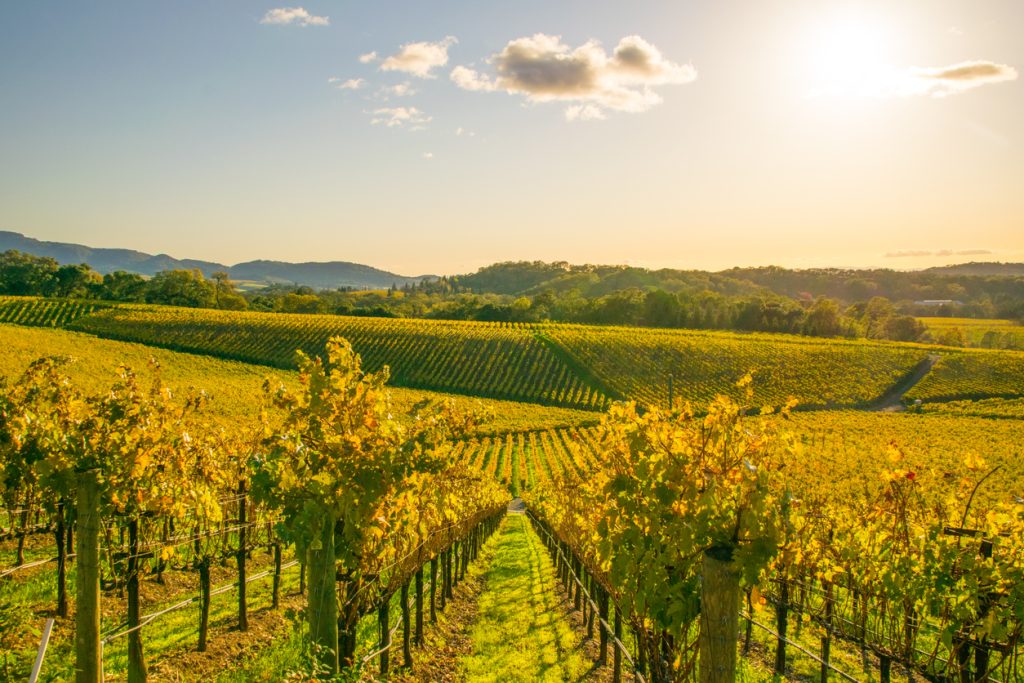
Napa Valley and Sonoma County remain icons of American wine, but in 2025 the focus has shifted toward sustainability and inclusion. Many wineries now use precision technology, water recycling, and organic farming methods to protect the land.
Sonoma’s coastal charm offers a slower pace, while Napa blends innovation with luxury. Together they showcase the future of wine in the United States.
Top Experiences
-
Visit Opus One Winery for modern architecture and fine Bordeaux-style blends.
-
Support McBride Sisters Wine Collection, the largest Black-owned wine company in the U.S., with tastings and community events.
-
Book a picnic at Jordan Vineyard & Winery, known for its sustainable gardens and culinary pairings.
Best Time to Visit: August to October for harvest festivals and cooler evenings.
Travel Tip: Make reservations early, as many wineries now limit capacity for personalized tastings.
4. Bordeaux, France: The Classic That Never Ages
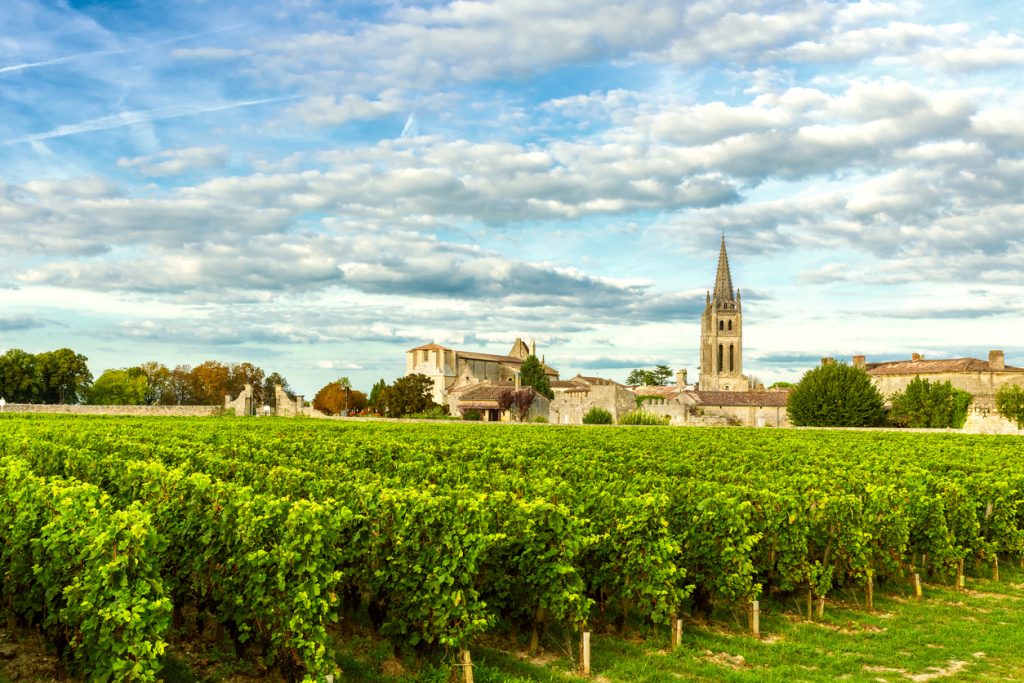
Bordeaux remains a symbol of tradition and refinement. Its wine heritage stretches back centuries, but 2025 brings a wave of innovation and climate-conscious adaptation.
Producers are experimenting with drought-resistant varietals and sustainable methods while maintaining the balance and structure that define Bordeaux wines.
Top Experiences
-
Spend an afternoon at Cité du Vin, the interactive wine museum celebrating global winemaking culture.
-
Explore the Left Bank (Médoc) for Cabernet Sauvignon blends and the Right Bank (Saint-Émilion) for Merlot-rich wines.
-
Stay at Les Sources de Caudalie, a spa hotel offering grape-based wellness treatments.
Best Time to Visit: May to October for mild weather and vineyard events.
Travel Tip: Book tastings through official tourism boards for access to smaller, family-owned estates.
5. Tuscany, Italy: Art, Olives, and Sangiovese
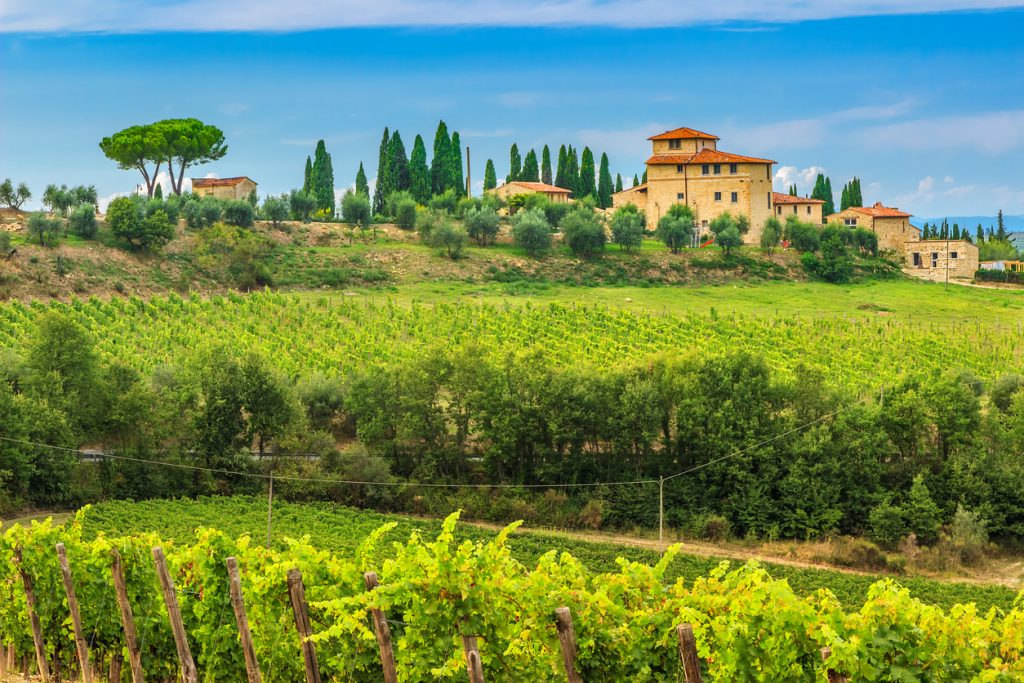
Tuscany embodies the romance of wine travel. Rolling hills, cypress-lined roads, and Renaissance towns create a perfect setting for long lunches and cellar visits.
Regions like Chianti Classico, Montalcino, and Bolgheri offer a mix of heritage estates and new-generation winemakers experimenting with sustainability and design.
Top Experiences
-
Visit Castello Banfi in Montalcino for Brunello tastings.
-
Tour Antinori nel Chianti Classico, a contemporary architectural landmark blending art and winemaking.
-
Stay at Villa Le Barone, a family-run hotel surrounded by vineyards.
Best Time to Visit: April to June or September to October.
Travel Tip: Plan around cantine aperte (open cellar days), when wineries welcome visitors for special tastings and tours.
6. Mendoza, Argentina: Wine at the Edge of the Andes
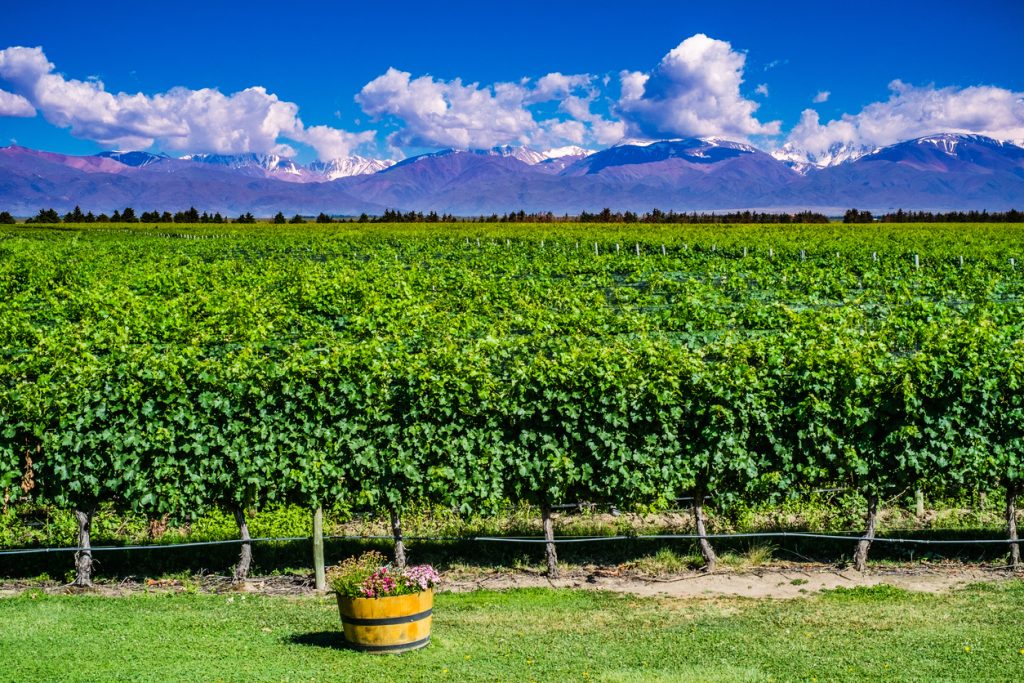
Mendoza is South America’s wine capital, famous for its bold Malbecs and high-altitude vineyards framed by the Andes Mountains.
In 2025, Mendoza is leading the way in eco-luxury wine tourism, with solar-powered wineries, organic farms, and adventure travel options such as horseback riding and mountain hiking between tastings.
Top Experiences
-
Taste at Bodega Catena Zapata, known as the “First Family of Argentinian Wine.”
-
Explore Uco Valley, home to boutique wineries and striking modern architecture.
-
Book a wine and wellness retreat that combines yoga, vineyard walks, and outdoor dining.
Best Time to Visit: March to May for harvest and pleasant autumn weather.
Travel Tip: Bring layers for temperature changes between mountain days and cool nights.
7. Santorini, Greece: Volcanic Wines and Sea Views
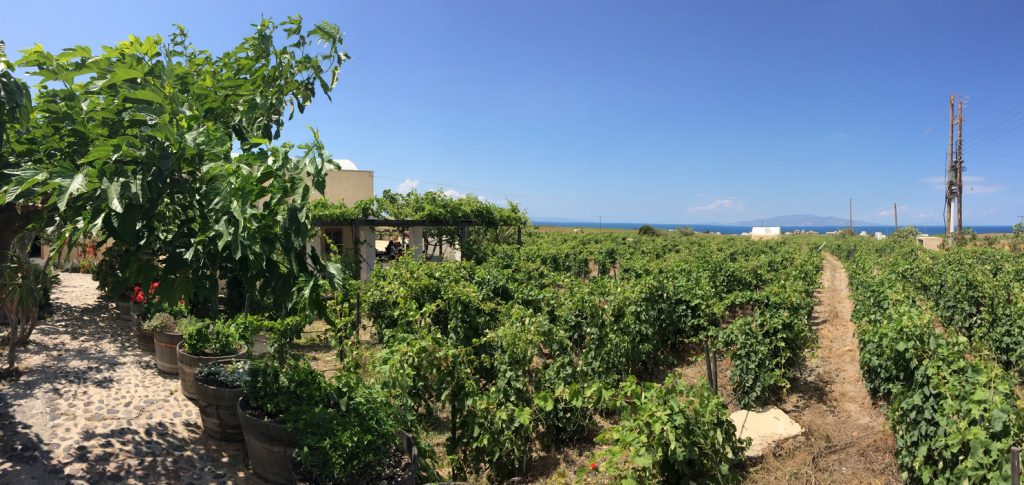
Santorini produces some of the most distinctive wines in the Mediterranean. Its volcanic soil gives a mineral-rich character to the white Assyrtiko grape, which thrives in basket-shaped vines designed to protect it from island winds.
Top Experiences
-
Visit Santo Wines for cliffside tastings overlooking the caldera.
-
Explore smaller estates such as Venetsanos Winery, carved into the island’s rock formations.
-
Pair local seafood with crisp white wines at a seaside taverna.
Best Time to Visit: April to October for sunny days and warm evenings.
Travel Tip: Book morning tastings before crowds arrive from cruise ships.
8. Okanagan Valley, Canada: The North’s Hidden Gem
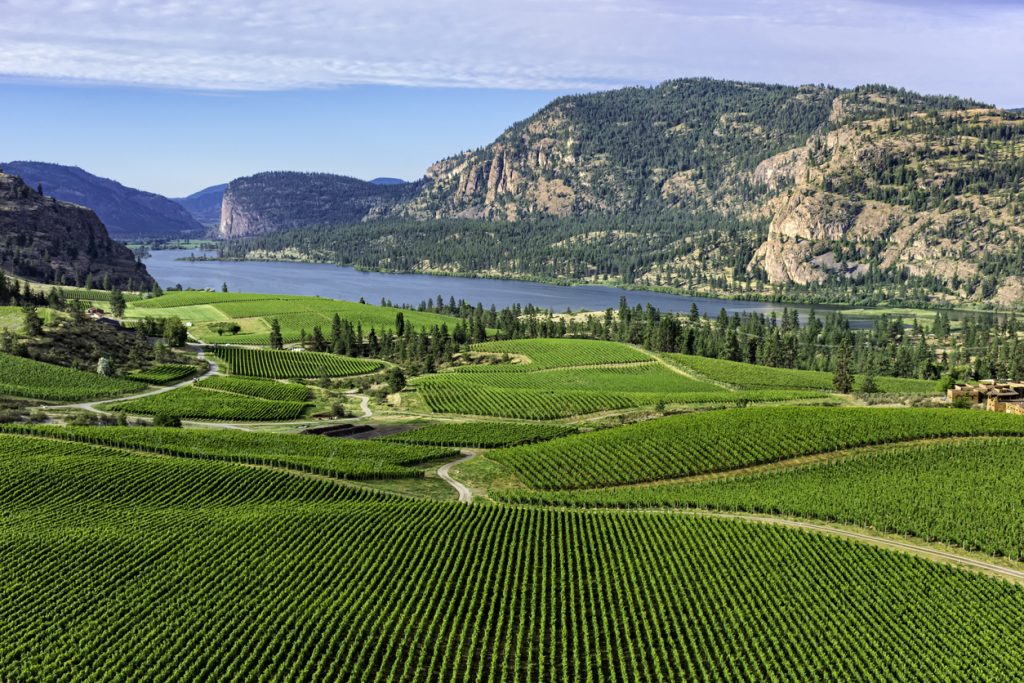
British Columbia’s Okanagan Valley is an emerging destination for wine lovers seeking mountain scenery and cooler-climate varietals. In 2025, it is gaining attention for organic practices, indigenous collaborations, and boutique experiences.
Top Experiences
-
Visit Mission Hill Family Estate for panoramic lake views.
-
Explore Nk’Mip Cellars, North America’s first Indigenous-owned winery.
-
Taste ice wines at smaller estates in Kelowna and Penticton.
Best Time to Visit: June to September for vineyard events and warm weather.
Travel Tip: Combine wine tasting with kayaking or cycling routes along Okanagan Lake.
Planning Your Wine Journey in 2025
When planning wine travel, consider three elements: season, sustainability, and storytelling.
-
Season: Align your visits with harvest festivals or quieter off-peak months for more personal experiences.
-
Sustainability: Choose vineyards certified in organic or regenerative farming.
-
Storytelling: Support wineries that celebrate local heritage and community values.
Many 2025 travelers are booking through wine tour collectives that prioritize cultural immersion and ethical travel—allowing you to enjoy the best wines while giving back to the regions that produce them.
Conclusion: A World of Wine Awaits
Wine travel in 2025 is about more than tasting. It is about discovery, connection, and meaning. Whether you are sailing along the Douro, exploring South Africa’s vibrant vineyards, or walking through Tuscany’s golden hills, each glass reflects a place and a story.
The world’s great wine regions invite you to explore not only flavors but also the people, culture, and history that shape every vintage. So raise your glass to the journeys ahead, the next adventure begins with your next pour.

Related Posts