Addressing Health Disparities in Black Women
More than ever women’s rights are at the forefront of our society. But we can’t forget about the health disparities, specifically among black women and women of color.

There is no secret that people of color have health disparities that can lead to poor healthcare outcomes.
Health disparities are preventable differences in healthcare treatment or opportunities to achieve better health. They are typically experienced by socially disadvantaged populations. Black women in particular, face their own set of disparities including maternal health, under-diagnosis of diseases and treating pain. Let’s discuss how you can continue to advocate for yourself, your loved ones and continue to move forward.
Causes of Health Disparities
Some causes for these healthcare disparities can include:
- Access to care: Minorities often have less contact with healthcare providers and use fewer hospital services. This limitation can be attributed to various factors such as lack of transportation, financial constraints, or living in medically underserved areas. Additionally, these populations may face systemic barriers, such as discrimination and bias, that make it difficult to obtain timely and appropriate healthcare services.
- Quality of care: Black women frequently report a negative experience when trying to get the care they need. They may face longer wait times, less attention from medical staff, and may receive treatments that are less desirable or less effective. Miscommunication and cultural misunderstandings can also contribute to a lower quality of care. Furthermore, implicit bias among healthcare providers can lead to misdiagnosis, under-treatment, and a general lack of trust between patients and their providers.
- Healthcare outcomes: As a result of these disparities in access and quality, black women especially tend to have poorer health outcomes compared to white women. This can manifest in higher rates of chronic illnesses, such as diabetes, hypertension, and heart disease. These populations may also experience lower life expectancy and overall poorer health status. Additionally, the stress associated with navigating a biased healthcare system can exacerbate existing health conditions, leading to a cycle of poor health outcomes.
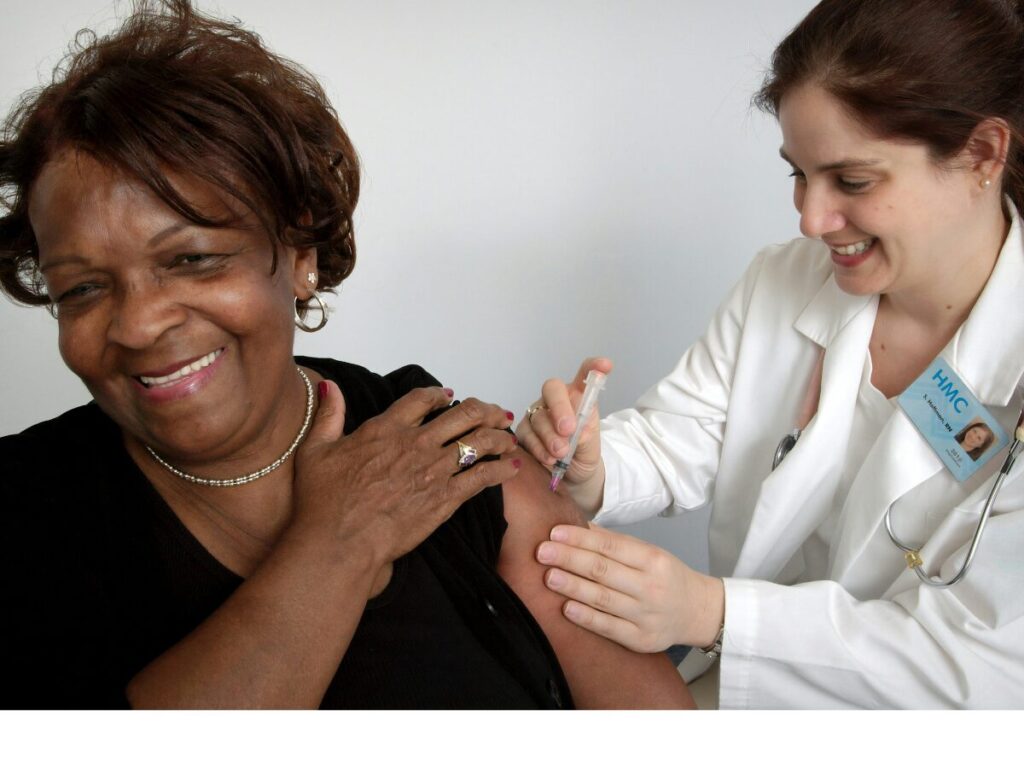
There are already big limitations being imposed on access to healthcare and some policies being talked about that want to see access limited even further. Reproductive health and vaccinations both have targets on them. A healthy fear of what else can happen to impact healthcare and access in a negative way is to be expected. My recent article help guide you how to take care of yourself emotionally. Learning how to advocate for yourself can greatly improve your healthcare outcomes.
How to Combat Health Disparities
By taking proactive steps, you can ensure that your voice is heard and your concerns are addressed. Here are some examples of how you can advocate for yourself effectively:
- Share your story with other women: Talking about your experiences with others can provide you with valuable insights and support. It can also help you feel less isolated and more empowered.
- Ask questions of your providers: If your healthcare providers aren’t addressing your concerns, don’t hesitate to ask questions. Make sure to write down your questions beforehand so you don’t forget them during your appointment. This will help you get the information you need and ensure that providers take your concerns seriously.
- Seek second and sometimes third opinions: Don’t settle for the first opinion you get, especially if you disagree. Seeking additional opinions can provide you with different perspectives and help you make more informed decisions about your healthcare.
- Educate yourself on the topic: Knowledge is power. Take the time to learn about your condition, treatment options, and any other relevant information. This will help you feel more confident in your interactions with healthcare providers and enable you to make informed decisions.
- Take detailed notes about your issues: Keep a record of your symptoms, including when they started, what you have done to address them, and any patterns you have noticed. This information can be invaluable when discussing your concerns with healthcare providers, as it provides a clear and detailed picture of your health situation.
- Reach out to your local politicians: Share your healthcare experiences and how they have impacted your health and wellness. By engaging with policymakers, you can be a part of driving systemic change and improve healthcare access for your community. Further, ask your friends and loved ones to contact their politicians as well. The more often they hear these stories, the more likely they are to act.
- Create a back-up plan: Partner with a trusted healthcare professional who can help you research alternative options and providers. Having a backup plan prepares you if your primary healthcare provider isn’t meeting your needs or if you need to seek emergency care.

Make sure you are up to date on all of your wellness appointments and vaccinations. By implementing these strategies, you can take a more active role in your healthcare and work towards better outcomes.

Related Posts