Latin-American Winemakers Changing the Narrative in the Industry
The Naked Wines Montoya Opportunity Fund is helping Latin-American winemakers change the game in the industry.

Last updated on January 12th, 2025
In 2023, Naked Wines launched the Montoya Opportunity Fund. This initiative awarded grants to four outstanding Latin-American winemakers: Sam Parra, Nancy Ulloa, Chris Rivera of Seis Soles, and Brittany Banda. These recipients represent a new wave of innovation and cultural authenticity in the American wine scene. Funding like this is crucial for upholding a centuries-old Latino tradition: entrepreneurship.
By the Numbers
Despite heavy reliance on Latino immigration in vineyards, Hispanics make up less than 1% of ownership in wine-owned brands in the United States. The Latin America Wine Market was valued at USD 21.39 billion in 2023 and is projected to reach USD 28.34 billion by 2030. There isn’t a lack of love for Latino-made wine, but rather barriers that the demographic faces when immigrating to, or being born in the United States.
Let’s look at how these prominent Latino-American winemakers built their businesses over time.
Latino Winemakers Receiving the Naked Wines Montoya Opportunity Fund
Sam Parra – The Hustling Community Builder
Third-generation winemaker and businessman Sam Parra grew up around wine in St. Helena, California. His grandparents entered the country through the Bracero Program. It was an agreement between Mexicans and Americans that addressed agricultural shortages during World War 2. The program promised fair working conditions and freedom from discrimination but faced some challenges at that time.
“For my generation, is when, about the time of 1999 through 2002, was a big, large explosion of population, of seeing Latinos in tasting rooms in Napa and Sonoma or admin jobs, you know, not just production or vineyard work. I was very fortunate to work at very luxurious brands in Napa and Sonoma,” said Parra.
Parra Wine Co. was launched in 2019, just before the start of the COVID-19 pandemic. Parra funded it by working an extra day per week for a year and a half on bottling trucks. He also the tip money from his daytime employer. This combined with a $10,000 grant from Naked Wines, business grants and services from the Metropolitan Hispanic Chamber of Portland, and other community resources manifested the third-generation winemaker’s legacy and dream.
In November he will step down as co-chair from AHIVOY, a non-profit organization dedicated to empowering Latinx and Hispanic vineyard workers in Oregon’s wine industry through education and professional development after completing his tenure. He already has his next project lined up.

Nancy Ulloa – The Holistic Innovator
Nancy Ulloa is an immigrant from Guadalajara, Mexico who moved to Paso Robles in 2017 with the desire to learn winemaking. She established Ulloa Cellars in 2019 and provides education for the underrepresented Latino community, as well as being an advocate for women in wine, and entrepreneurship.
“I think that people feel like oh, shit, if this worked out for her, maybe I could try this out. And the one thing I always tell people is that they should do whatever feels good to them,” says Nancy.
Her creativity and approach to transmuting traditional grapes into something new and original. Further, her brand seeks to market to the underserved Latino market. “I make a Gruner Veltliner and also a Semillon that if you were to taste them blindfolded you would think that they’re red wines. And so those wines have turned a lot of BIPOC wine drinkers into white wine drinks because they’re like, I’m challenging their perception of what white wine is,” says Nancy.
Named after its founder, Ulloa Cellars focuses primarily on white wine varieties like Gruner Veltliner, Verdejo, Albariño, Sèmillon, Pinot Blanc & Gewurztraminer. The winery produces two versions of its Gruner Veltliner. One version uses 50% stainless steel and 50% neutral oak fermentation. The other version is fermented in a 500-liter hand-made terracotta amphora. This results in a “funkier” wine with earthy tones and added depth. The wines are available at the winemaker’s tasting room in Paso Robles, or for purchase directly on her website ulloacellars.com.
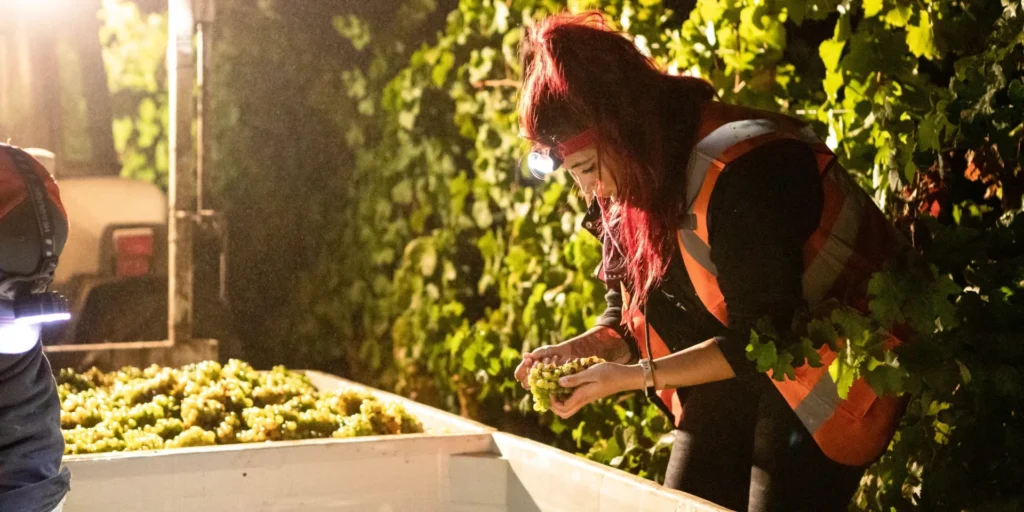
Chris Rivera – The Family Wine Geek
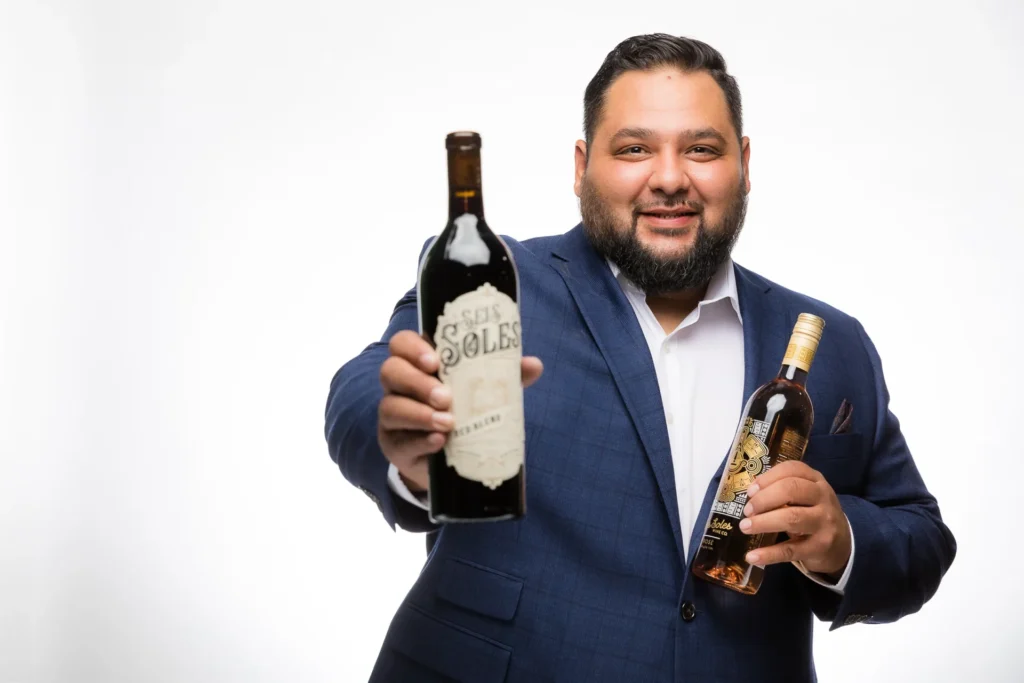
Despite having over a decade of experience in the wine industry he never had any intention of starting his brand. However, a love for his tias and primas (“aunts” and “cousins” in Spanish) and a desire to connect over wine spanned a career that has produced a Seis Soles wine, a wine club, and a tasting room. His tias and primas preferred Stella Rosa to the drier styles produced at his previous companies. Therefore, his first wine, a semi-sweet rose, was born of a desire to create a brand that his family could enjoy and dispel the notion that many Latinos have about wine that “it’s for the Bougie and all that, and it’s for the white folks.”
Being a Latin-American winemaker can be a double-edged sword. It’s one challenge for space in American restaurants. But, even in Mexican restaurants, owners will specifically require the wine to be from Mexico.
“It’s like we only have space for Mexican wines, but not Mexican wine made in the United States. And that’s an interesting thing to figure out if you’re going to overcome or not, or how, and because somehow it’s as romantic as when it’s from Mexico, but when we make it here, I guess in their mind it’s just not as deserving.”
Seis Soles currently produces six wines: a rosé blend, a white blend, three red blends, and a natural fermentation Tempranillo. The winery works with Mourvèdre, Grenache, Albariño, Grenache Blanc, Cabernet Sauvignon, Petite Sirah, Tempranillo, Merlot, and Petit Verdot and is starting to experiment more as it continues to grow. You can purchase the current selection directly from his website.
Hopefully, there will be a chance to taste his latest experiments at his new tasting room. It’s located in Orange which he will use to promote his wines and fund educational programs. If you visit the tasting room you can expect an authentic experience where family and community are the main dish and wine is the appetizer.
Brittany Banda – The Mom With A Mission
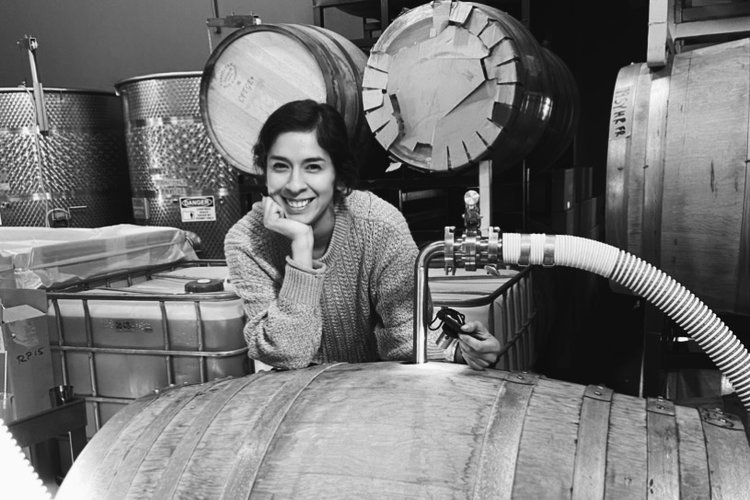
Following the birth of her daughter, Banda pivoted from a career in education to winemaker. It seems to have paid off. Just one year after working at a large winery she launched Xochitl Wines in 2020.
She made this decision to teach her daughter to take chances and go after what she wants, trust her heart, and have some faith. “And it sounds unbelievable because you know, it was unconventional, and it came out of nowhere,” says Banda. “It was just a voice inside my head that said maybe you should go towards wine. And I think when you listen to those things, things start to serendipitously happen.”
Xochitl is a flower-inspired name with deep roots in Mesoamerican culture. It’s primarily used for girls in modern times, especially in Mexican and Mexican-American communities. “It’s representing anyone talking about the diaspora in the United States of different cultures. I want someone to look at my bottle and relate to it. I just wanted my people to see themselves in my story.”
Banda has had an unconventional journey. But in a world that relies on connections, money, and clout it’s refreshing to see that believing in a little magic can go a long way. Her next potential wines include a Zinfandel and a Grenache. You can contact her to purchase her small-production wines at www.xochitlwines.com.
She would like aspiring female wine entrepreneurs to know that “if you have empathy and kindness in your heart, that’ll take you lots of places.”
Paving the Way for a More Diverse and Innovative Wine Industry
The stories of Sam Parra, Nancy Ulloa, Chris Rivera, and Brittany Banda represent a new chapter in the American wine industry—one that celebrates diversity, innovation, and cultural authenticity. These Latino winemakers are not just producing exceptional wines. They are reshaping the narrative of what it means to be a winemaker in the United States.
The contributions of these Latin-American winemakers and others like them will be crucial in driving diversity, innovation, and growth. Their stories serve as inspiration not only for aspiring Latin-American winemakers. This is for anyone looking to make their mark in the industry.
The future of the American wine industry looks brighter and more vibrant with these passionate entrepreneurs. They are blending tradition with innovation and culture with craft. As they continue to gain recognition and success, they pave the way for a more inclusive and dynamic wine landscape. This truly represents the rich tapestry of American culture.

Related Posts