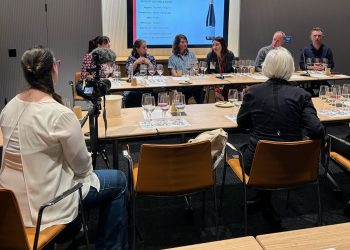
The Sound of Wine: How Music and Wine Impact the Tasting Experience
The connection between music and wine offers a unique opportunity to enhance tasting experiences through thoughtful sound selection, adding a new dimension to the practice of wine appreciation.

Last updated on January 12th, 2025
Wine tasting is often a journey of the senses, engaging sight, smell, and taste. Yet, recent studies reveal that music and wine can be just as influential in shaping our experience. Different music genres, from classical symphonies to modern pop, have the power to alter our perception of a wine’s flavors, textures, and even its overall enjoyment.
The Science Behind Music and Wine
Research shows that music can impact our interpretation of acidity and sweetness in wine. According to a study in the International Journal of Wine Business Research, classical music enhanced the sweet notes in white wines like Chardonnay, giving the wine a more refined and delicate profile. Meanwhile, more intense genres like pop drew out bold flavors and even masked specific alcohol notes. This underscores the unique relationship between sound and taste. This seems to be largely a psychological effect. As you feel the energy of the music, you also feel the boldness, or lightness, of the wine.
The concept is called musical congruency, or pairing a genre with a wine’s character, which can heighten a tasting experience. For instance, pairing a full-bodied red with deep jazz or instrumental blues accentuates the wine’s richness and complexity. As stated in the study, Assessing the Effect of Musical Congruency on Wine Tasting in a Live Performance Setting, tasters rate wines higher in complexity and overall pleasantness when the music matches the wine’s flavor profile. For example, “sweet or sour” musical pieces influence people’s thinking processes and behaviors and may reflect actually the sweetness or sourness of foods developed in association with music carrying similar taste characteristics.
Music also engages us emotionally, affecting our sensory interpretation of wine. Like classic pop songs, upbeat tunes can make wines taste more fruity and lively, amplifying perceptions of sweetness and freshness. Conversely, slower, somber music can deepen the perception of bitterness or astringency, impacting how we experience tannins in robust reds like Cabernet Sauvignon, according to the study, Musica Influences Hedonic and Taste Ratings in Beer.
Suggested Playlists for Music and Wine Pairings
By curating the right playlist, you can amplify the qualities you enjoy in each glass, creating a multisensory experience that elevates the wine and transforms the tasting journey. Next time you open a bottle, try pairing it with music that matches its character and see how sound can shape your wine experience in unexpected ways.
Here are some recommended music and wine pairings to help you maximize this multisensory experience. These designed playlists complement specific wine styles, enhancing their unique characteristics through sound.
Light Whites (Sauvignon Blanc, Pinot Grigio, etc.)
- Music Style: Classical or Light Jazz
- Why It Works: Classical music’s refined tones match the delicate flavors of these wines, elevating light, citrusy notes and making the wine taste more refreshing.
- Suggested Playlist: Include Mozart’s “Eine Kleine Nachtmusik,” Debussy’s “Clair de Lune,” and some light jazz classics like “Take Five” by Dave Brubeck. These pieces can bring out the refreshing acidity and floral notes often present in these wines, making them feel more crisp and vibrant.
- Wine: Kumusha Wines Sauvignon Blanc
Rich Whites (Chardonnay, Chenin Blanc, etc.)
- Music Style: Soulful Jazz or R&B
- Why It Works: The soulful depth in these music styles pairs well with the richer, oak-aged flavor profiles, enhancing sensations of fullness and smoothness.
- Suggested Playlist: Add some smooth jazz or R&B, such as Etta James’s “At Last” or Miles Davis’s “So What.” These tracks enhance the wine’s smoothness and creamy texture, elevating buttery and oaky notes in Chardonnay.
- Wine: Aslina Wines Chardonnay
Light Reds (e.g., Pinot Noir)
- Music Style: Acoustic or Indie Folk
- Why It Works: Acoustic sounds complement the delicate, nuanced flavors of light reds, enhancing floral and berry notes without overpowering the wine’s subtleties.
- Suggested Playlist: Try soft acoustic music like Simon & Garfunkel’s “Scarborough Fair” or The Lumineers’ “Ophelia.” These tracks can emphasize the fruity, earthy notes of Pinot Noir, giving it a slightly more vibrant profile.
- Wine: L’Objet Wines Russian River Pinot Noir
Bold Reds (e.g., Cabernet Sauvignon, Syrah)
- Music Style: Rock or Deep Jazz
- Why It Works: Strong, full-bodied wines require equally bold music. Rock and deep jazz provide an auditory punch that matches the power of bold reds (North, 2012).
- Suggested Playlist: For these robust wines, consider tracks like The Rolling Stones’ “Gimme Shelter” or John Coltrane’s “A Love Supreme.” This music style can add a layer of intensity, amplifying the wine’s bold tannins and dark fruit flavors.
- Wine: Phil Long Reserve Cabernet Sauvignon
Sweet or Dessert Wines (e.g., Moscato, Port)
- Music Style: Romantic Classical or Soft Pop
- Why It Works: Romantic music accentuates the sweetness and luxurious feel of dessert wines, enhancing their luscious, sugary notes (Wang et al., 2017).
- Suggested Playlist: Go with pieces like Beethoven’s “Moonlight Sonata” or soft pop hits like Norah Jones’ “Come Away With Me.” These choices add a layer of sweetness and emphasize dessert wines’ rich, fruity undertones.
- Wine: Love Cork Screw No More Drama Moscato
Conclusion: The Future of Multisensory Wine Tasting
Next time you host a tasting or simply unwind with a glass, consider playing music tailored to your wine choice. Not only could it make your wine taste better, but it might also elevate your enjoyment, offering a richer, more memorable experience.
Incorporating music into wine tasting is an exciting frontier, merging flavor with emotion. So, pour a glass, press play, and let the music guide your palate.

Related Posts