Top 5 Strategies for Enjoying Wine Tastings
Walk-around wine tastings can be thrilling…and totally overwhelming. Here's how to do it right.

You’re surrounded by hundreds of wines, dozens of producers, and somehow expected to stay upright and insightful.
How do people do it?
Wine tastings are the heartbeat of the wine industry, whether you’re a consumer eager to discover new bottles or a professional seeking to deepen your expertise. There’s no better way to understand what’s in the glass and how different regions and producers craft their wines.
However, there are a few things that can make this event a total success. Sure, the obvious goal is to leave the event lucid enough to get home. Furthermore, there are some tips and tricks for learning about what people are pouring, and how to find the best picks later.
Here are five tips to navigate a wine tasting from start to finish. Whether this is the first or 40th tasting, there are a couple of tricks to the trade.
1. How to get Invited to Wine Tastings
Even as a professional, it can be difficult to find out about upcoming tastings in your area. Some tastings are just for “the trade” which includes professionals in the industry. However, many tastings are open to the public, you just need to register and show up. Here are a few tips to getting into the room:
- Check in on the nearest major city: tastings are happening all the time in major cities like New York, San Francisco, or Chicago. These events are for importers, sommeliers, and wine retailers in mind, as they are key decision-makers for producers and wine regions. Consumers, especially those who don’t live in a major city, should consider subscribing to local wine shop newsletters, or regional wine blogs to stay informed about upcoming public tastings and events.
- Follow the trade: Wine professionals, especially media and press, promote tastings happening in their area or in the region they cover. Follow wine writers, wine media and content creators and check for news about tastings.
- Follow regional associations: Most tastings are run by the region producing the wines. Follow associations such as the Virginia Wine Board, Napa Valley Vintners, Finger Lakes Wine Alliance or similar group to see when they are coming into town.
Tasting invitations often snowball. Once you attend one, it’s much easier to get to the next one, and even easier to get to the next one. Welcome to tasting season!
2. When You Arrive
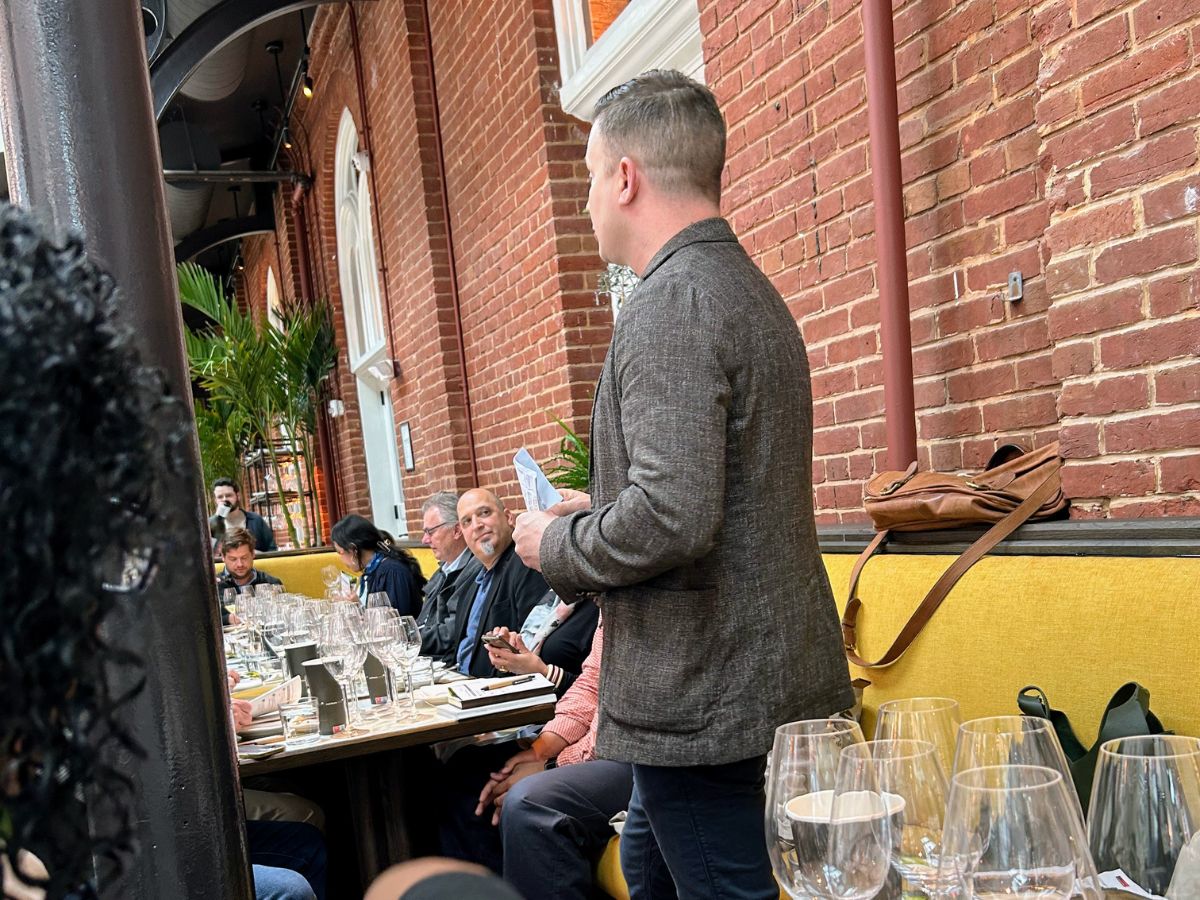
Congratulations, the organization invited you to the tasting and there is even a seminar or masterclass at the beginning. Many tastings have these to dive deeper into a specific topic or region. A seminar or masterclass usually includes a tasting of several wines and a speaker with expertise in that topic.
Seminars usually take place at the beginning of the tasting, with plenty of time to walk around to the producers you tasted in the seminar. A little research before and during the event will go a long way. Start with two steps:
- Assess the scene. Most tastings provide a map or a list of the producers that will be at the event. For any of your top choices, note where they are and confirm they are attending.
- Mark your top choices. You will not get to every producer during a tasting. Between the lines, the available time and the conversations, it’s impossible at most events. So mark your topic choices early. Keep in mind that your top picks might be everyone else’s too, so plan accordingly.
With a solid plan in place, you can enter the tasting room confident and ready to explore.
3. Navigating the Tasting
You’ve made it to the tasting floor! With a list of top choices and sense of who is where and what they are pouring, the tasting experience is set for success. However, with tens or hundreds of wines available, here’s the pro tip that matters most: spitting or dumping.
Simply put, spitting involves spitting out the wine and dumping is about dumping the rest of the glass into a bucket. Unless you are at a happy hour or party, actually drinking the wine isn’t the point of tasting. Here’s how to taste like a pro:
How to Taste Like a Pro (Without Getting Tipsy):
- Look and smell first. Hold the glass at an angle over a white surface to assess color. Swirl and smell to gather aromas.
- Sip, swish, and spit. Take a small sip, swish it around in your mouth to assess texture, then spit discreetly into your cup (pro tip: cover your mouth with the cup).
- Dump the rest. Pour any remaining wine into the dump bucket so you’re ready for the next pour.
This technique allows you to taste 10, 20, even more wines without losing your palate or your balance. Enjoy!
4. Speaking to Producers
Wine producers, including winemakers, vineyard managers and sales staff, are a wealth of knowledge on what is in the glass. They’re often too busy to chat in tasting rooms, so tastings are your chance to engage. Here are a few great questions to ask:
- How was this year for you? Winemakers and especially vineyard managers are always tracking the weather patterns and vineyard conditions. This gives them insight into how the wines all over the region may turn out this year.
- What inspired you to produce the wines this way? Winemaking is as important to the wine as grape growing. This question helps give context for the style.
- Would you age these wines? “Aging like fine wine” is a fun phrase, but not all wines age well. In fact, winemakers produce most wines for drinking right now. However, some wines can age for a few years, and this is great to know before opening.
Hopefully, these tips will give consumers a good start to navigating wine tasting. However, the fun does have to end in the tasting room. Here’s how to master the art of the follow up.
5. The Follow Up
The fun doesn’t have to end when the event does. Following up can open doors to future tastings and relationships in the wine world.
Winemakers, buyers and importers are some of the most personable humans on the planet. Ask for their card and make notes on who you met and what you liked so you can reach out to them later. If you live near any of these wineries or shops, stop by and say hello! Now you have a relationship with the industry and will most certainly receive invites for exclusive events and tastings.
Congratulations! You have learned how to navigate a tasting, build relationships and ultimately become a part of the wine community. The only thing left to do is pay it forward! Share this article or just share the tips for someone attending a wine tasting.
Cheers!

Related Posts