A Late Diagnosed ADHD Journey for Neurodiversity Awareness Month

Last updated on May 6th, 2025
It’s an early morning in January. My friend Na Shai is rushing around her home. Her hair is still wet and coiled, she only has one earring in, lukewarm tea in hand, searching for her car keys. Her phone vibrates as the microwave beeps in the distance. She walks into the kitchen, past a pile of mail and to-do lists, pausing just long enough to let out a groan.
Her life is just as chaotic as the room. She’s just started a new job, joined a nonprofit board, and is planning a wedding in four months. She’s booked, busy, and, in her own words, “unraveling.”
Is this just the stress of an overflowing inbox, or something more?
This is how a recent LinkedIn post by Na Shai Glover begins. In it, she shares her journey of receiving a late ADHD diagnosis, one that comes in adulthood rather than childhood. I’m fortunate to have several neurodiverse friends who continually teach me new ways of seeing the world.
April is Neurodiversity Awareness Month. It’s a time to recognize the many different ways people experience the world. It’s a moment to reflect on the wide range of challenges people face. That can include formally diagnosed conditions like ADHD, Autism, or Dyslexia. But most importantly, it’s a reminder to view these differences as strengths, not weaknesses.
Na Shai’s story underscores the complexity of neurodiversity and calls us to extend more grace to each other. You never know who is living with neurodivergence, whether they realize it yet or not.
What is Neurodiversity? Why Neurodiversity Awareness Month
In 2007, the United Nations recognized April 2 as World Autism Awareness Day. Over time, that single day evolved. First it was Autism Awareness Month, and eventually, it became Neurodiversity Awareness Month to embrace a broader, more inclusive perspective.
The term “neurodiversity” itself is rooted in inclusion. Australian sociologist Judy Singer coined it to “promote equality and inclusion of neurological minorities.” While the term is used in research contexts, its momentum has largely come from advocates pushing for social change.
As with many health-related topics, disparities persist particularly for Black women. In her post, Glover writes:
“It’s no coincidence that it took this long to get diagnosed. ADHD, particularly the inattentive type, often goes unrecognized in women and girls. When considering the intersection of gender and race, the gap widens even more. Research indicates that Black children are 36% less likely to receive an ADHD diagnosis compared to their white counterparts. Black girls, in particular, often have their symptoms mischaracterized as laziness or defiance, leading to underdiagnosis.”
This month honors all neurodiverse individuals, but it’s important to acknowledge that Black women face unique challenges in getting diagnosed. This is a truth Glover continues to explore through her personal journey.
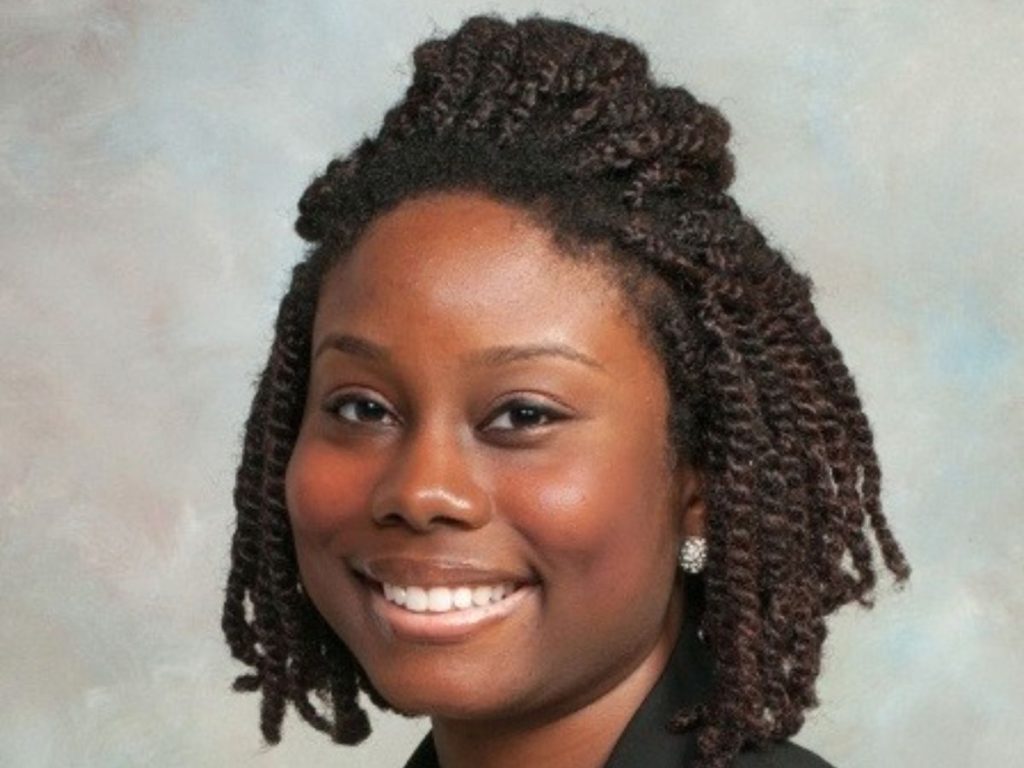
Na Shai’s Journey to Late-Diagnosed ADHD
Back in January, Glover viewed that chaotic morning as simply another stressful moment in her life. She even questioned whether her mindset was part of the problem.
“At the time, I thought I was just overwhelmed, balancing too many things and maybe even not being as grateful as I should be for the blessings in front of me,” she said. “But beneath the exhaustion, I felt something deeper that I couldn’t shake.”
A year later, as a DEI practitioner and Global Inclusion Leader, Glover began studying neurodiversity more deeply. The more she learned, the more it resonated. The aspects of neurodiversity she was preparing to teach her colleagues, slowly felt like ways she also saw the world.
“The constant mental noise, the deep emotions, the overstimulation. The way that I could lose myself in something for hours and not notice. The difficulties in managing my energy levels. The perfectionism. The shame.”
Eventually, she was diagnosed with inattentive-type ADHD, which is a subtype of Attention-Deficit/Hyperactivity Disorder (ADHD). According to the Cleveland Clinic, this form is characterized by difficulty concentrating, staying organized, and focusing on tasks.
The challenge with this type of ADHD is that many symptoms of inattentive ADHD are internal. It’s invisible to others, and often misunderstood.
Challenges in Misdiagnosis
As children, ADHD is most often identified in those who “can’t sit still.” The hyperactive presentation is what typically draws attention from teachers and caretakers. But when other symptoms dominate, it can be easy to miss.
“My ADHD didn’t show in the ways that I expected. I didn’t fit the image of the talkative, energetic kid who couldn’t sit still. My teachers always remarked that I was a “joy” to have in class. I was quiet. Reflective. Polite,” Glover recalled of her childhood. “When I made it to the corporate world, my managers often praised me for my ability to “stay calm under pressure” and pivot during times of change. I felt comfortable in chaos. But beneath the surface, I was struggling in ways that were not visible to others.”
For many, especially Black women, this kind of misunderstanding leads to misdiagnosis or being overlooked entirely. A study from Springer Nature found that fewer than 20% of adults with ADHD are accurately diagnosed. And research published in Pediatrics found that Black children are 36% less likely to be diagnosed with ADHD than white children.
Covering Up Neurodiversity
When symptoms don’t fit the expected mold, people often develop ways to mask or compensate, sometimes without realizing it. Unknowingly, that’s what happened to Glover.
“People didn’t see the carefully crafted systems it took to appear the way I did. The way I’d write down almost everything, afraid I’d forget the important parts. The reminders layered across apps, calendars, and Post-It notes,” she said. “I held my body still in meetings, suppressing the urge to stim or fidget. The way I worked late into the night. Not just out of ambition, but because that quiet time was often the only time my brain could finally focus. The way that I masked.”
In many ways, diagnosis of neurodiversity can be kind of like respiratory illnesses. Symptoms overlap. Say the symptoms include a bad cough, maybe wheezing or a runny nose. Is it COVID-19? Pneumonia? Just a bad cold? Similarly, anxiety, depression, ADHD, autism, and chronic stress can look alike.
But if something feels like “more than stress,” you are not alone. Glover’s story reminds us all to pause and check in. Maybe it’s just a busy season. Maybe not.
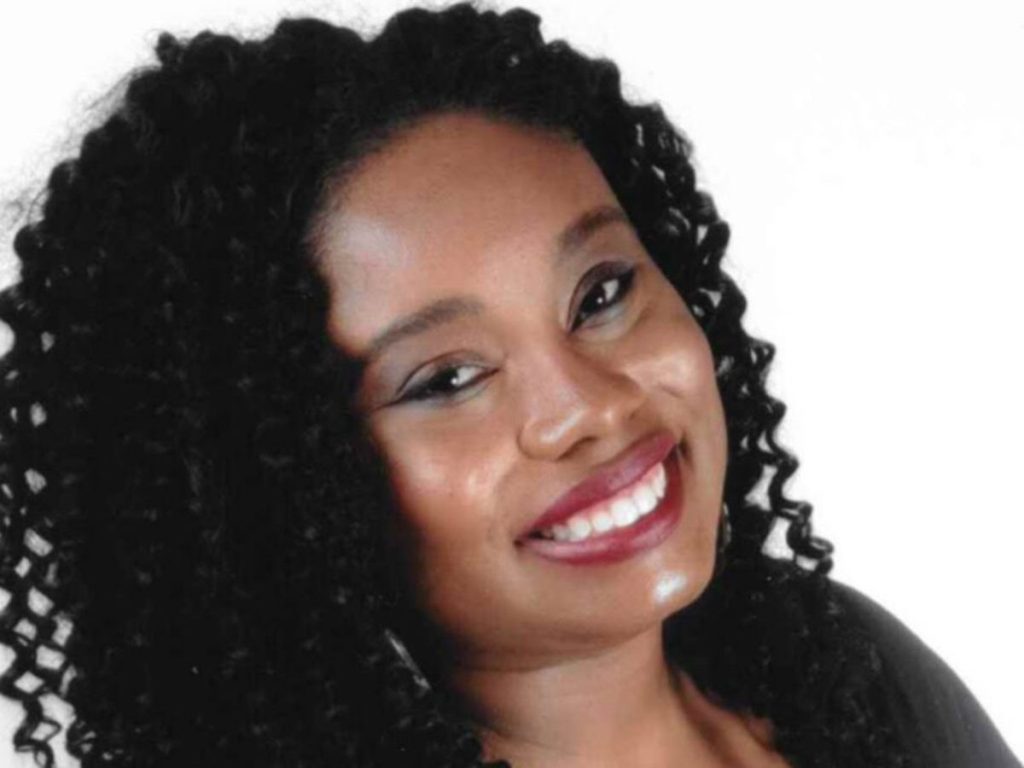
Resources for Neurodiversity
For Glover, receiving a diagnosis brought clarity and comfort. While a diagnosis may feel like a negative at first, it can also offer clarity, validation and direction.
“Alongside this grief came something else. A quiet sense of relief. A soft unfolding. A new kind of self-compassion and grace I’d never permitted myself to feel,” she says. “For the first time, I wasn’t trying to become someone else. I was reclaiming the parts of me I used to hide.”
If you’re curious about your own experience, there are several resources and self-assessments available. But a licensed professional should always be consulted for a formal diagnosis and treatment plan.
Here are a few resources she recommends:

Related Posts