Cape Town Community Tourism: Local Authentic Experiences
Discover Hidden Cape Town Through Immersive Cultural Tourism

Last updated on April 7th, 2025
The concept of community-led tourism isn’t new, but its implementation in Cape Town has reached new heights. This approach to travel connects visitors with authentic local experiences while ensuring communities benefit directly from tourism.
How Cape Town Community Tourism Transforms Neighborhoods
Several factors have driven this positive change:
- Growing demand for meaningful travel experiences beyond typical tourist attractions
- Technology platforms connecting visitors directly with local guides
- Community-driven initiatives ensuring tourism benefits reach neighborhood residents
- Policy support for inclusive tourism development across Cape Tow
Community tourism networks like the Cape Town Community Tourism Association now provide quality standards, ethical guidelines, and booking platforms that make these experiences accessible to international visitors while maintaining community control.
This community-centered approach to tourism is similar to what’s happening in South Africa’s wine industry, as seen in the successful Experiencing Aslina Wines: Ntsiki Biyela’s U.S. Grand Tasting Tour where local entrepreneurs share authentic South African experiences with international audiences.
A local tourism development specialist explains: “What we’re seeing isn’t just a trend—it’s a fundamental shift in who shapes the narrative of Cape Town and who benefits from tourism. Communities are now active creators rather than passive subjects of the tourism experience.”
Exploring District Six & The East City
The Living Memory Project
District Six’s story of forced removals during apartheid and ongoing restitution efforts is now told through innovative community-led experiences:
- Walking tours led by former residents and their descendants
- Interactive memory mapping sessions using augmented reality
- Home visits with returned families rebuilding their community
- Culinary experiences featuring District Six recipes preserved through generations
The District Six Memory Centre has expanded its programs to include these direct community interactions, creating powerful learning experiences that go beyond museum exhibits.
East City Creative Quarter
The adjacent East City district has transformed into a vibrant creative hub:
- Studio visits with working artists in repurposed industrial spaces
- Workshops teaching traditional craft techniques with contemporary applications
- Street art tours explaining the cultural and political context of urban art
- Small-batch production facilities offering behind-the-scenes manufacturing tours
The East City First Fridays program has expanded dramatically, now featuring guided routes that connect visitors with local creatives while explaining the area’s transformation from industrial zone to creative quarter.
Bo-Kaap: Beyond the Colorful Houses
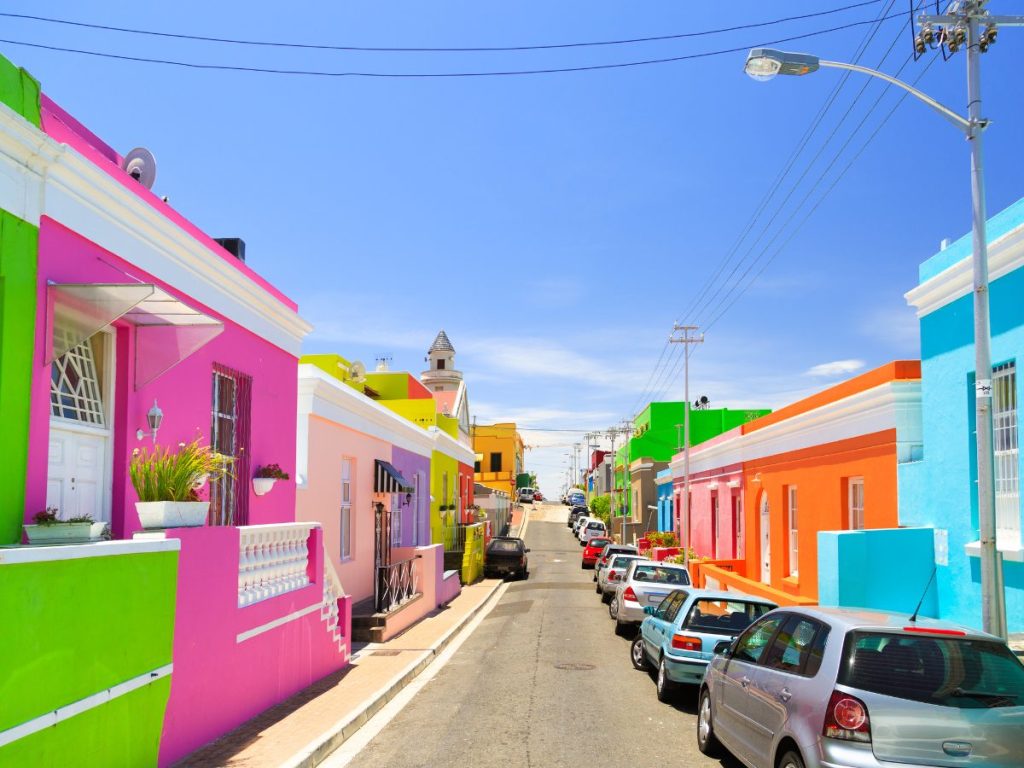
Community Tourism Experiences in Bo-Kaap
Bo-Kaap’s distinctive colorful houses have long attracted photographers, but new programs go deeper into the area’s rich Cape Malay heritage:
- Cooking experiences in family homes featuring traditional Cape Malay cuisine
- Workshops on the art of spice blending with historical context
- Dawn walks including the traditional call to prayer and neighborhood awakening
- Craft sessions learning traditional fabric arts with contemporary applications
The Bo-Kaap Cultural Collective, formed to address concerns about tourism impact, now manages these experiences to maintain authenticity while limiting disruption to daily life.
Township Tourism Reimagined: Langa, Gugulethu & Khayelitsha
Creative Enterprise Tours
Cape Town’s township areas have seen remarkable creative development:
- Visits to innovative business incubators supporting local entrepreneurs
- Studio tours with township-based fashion designers gaining international recognition
- Recording studio sessions with emerging musicians blending traditional and contemporary sounds
- Screenings and discussions with independent filmmakers documenting community stories
These community-led tourism experiences highlight how creative industries are creating economic opportunities while preserving cultural heritage in Cape Town’s townships.
Urban Regeneration: Woodstock & Salt River
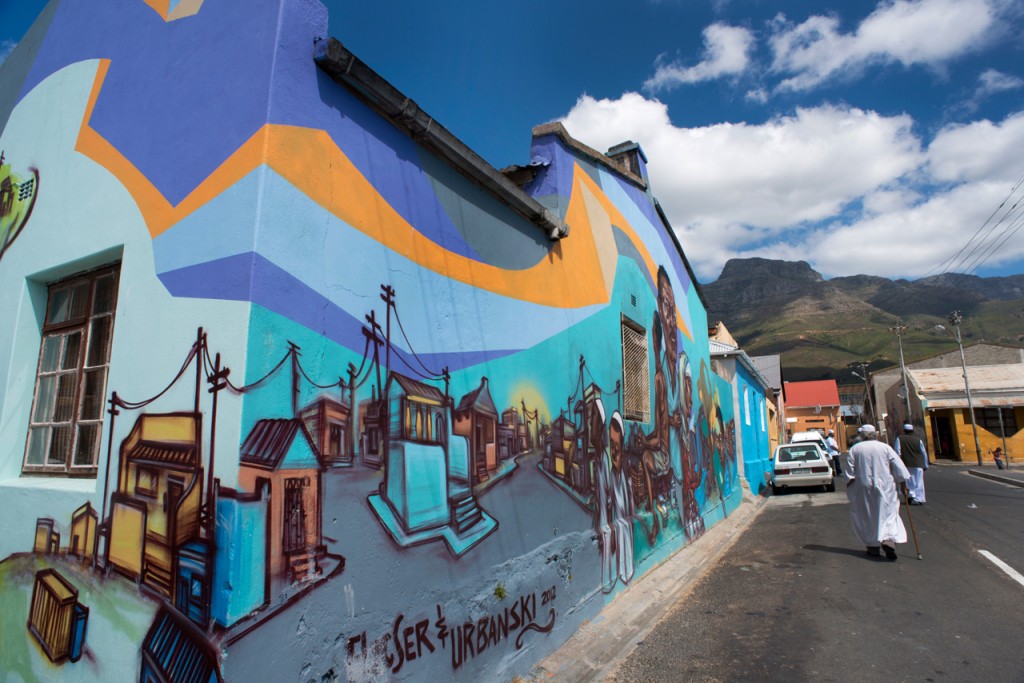
Honest Conversations About Neighborhood Change
These rapidly changing neighborhoods now offer nuanced experiences addressing complex urban transitions:
- Walking dialogues with long-term residents, new businesses, and urban planners
- Studio visits with artists addressing neighborhood change through their work
- Community forum participation with real discussions about development impacts
- Comparative site visits showing different approaches to urban transformation
These experiences don’t offer simple narratives but instead invite visitors into the complex realities of urban change from multiple perspectives.
Coastal Communities: Ocean View & Masiphumelele
Maritime Heritage Experiences
These coastal communities offer unique perspectives on Cape Town’s relationship with the ocean:
- Fishing heritage experiences with multi-generational fishing families
- Boat building workshops using traditional methods
- Ocean conservation initiatives led by local environmental advocates
- Seafood preparation demonstrations using recipes passed through generations
These programs highlight how coastal communities maintain traditional practices while adapting to environmental and economic changes.
Finding Authentic Community-Led Tourism in Cape Town
Several platforms now connect visitors with community-led experiences:
- The Cape Town Community Tourism Network’s verified listing platform
- Neighborhood-specific visitor centers managed by local associations
- Mobile apps with direct booking capabilities and ethical tourism guidelines
- Community tourism desks at major hotels providing curated recommendations
The Future of Ethical Travel in Cape Town
Community-led tourism in Cape Town represents a profound shift in how visitors can engage with this multifaceted city. By choosing these experiences, you not only gain authentic insights into local cultures and histories but also contribute to a more equitable tourism model where communities define and benefit from how their stories are shared.

Related Posts