Jet Lagged? Stressed? Try These Travel Recovery Hacks
Recharge, stay energized, and enhance your travel recovery with simple, science-backed travel wellness strategies.

Why Travel Recovery Matters More Than Ever
The Modern Challenges of Travel
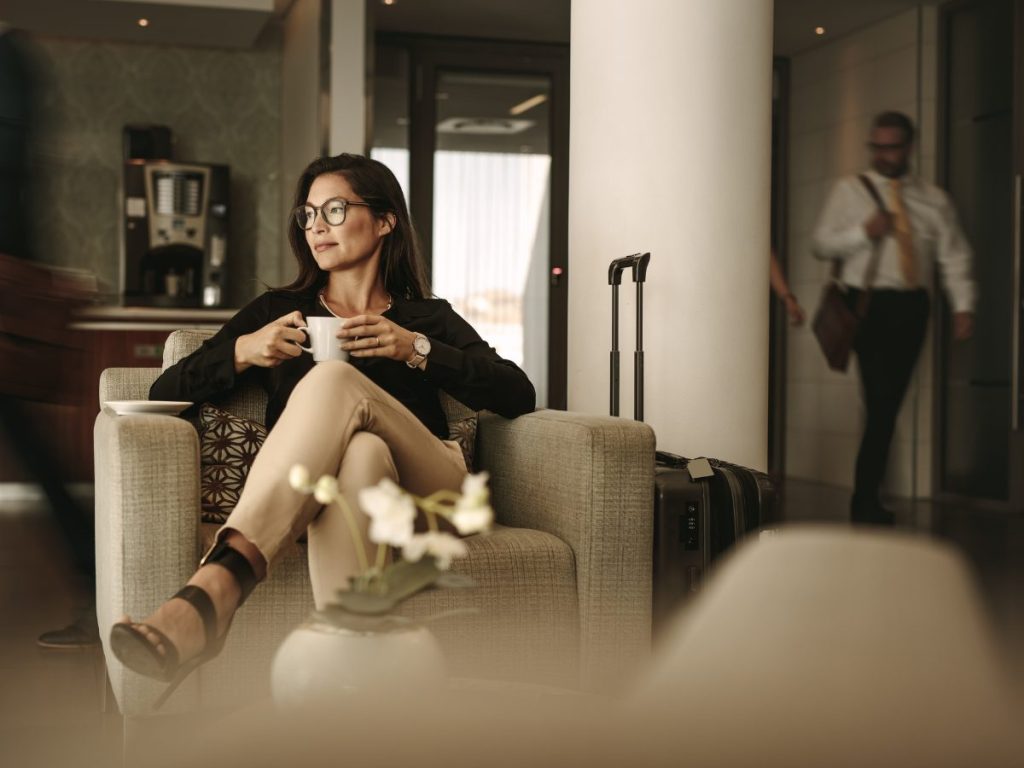
Travel has never been more exciting—but also more exhausting. What was once a simple getaway now involves longer security lines, evolving entry requirements, and the constant pull of connectivity. With global tourism expected to exceed 2 billion international trips annually, travel recovery and wellness strategies are more essential than ever to help travelers stay energized, adapt to changing conditions, and fully enjoy their journeys.
Why Travel Recovery Is No Longer a Luxury but a Necessity
Whether you traveled before or after the pandemic, one challenge remains the same: how do you explore the world without travel burnout?
Travel recovery isn’t just a nice-to-have—it’s essential. Whether you’re a digital nomad, business traveler, or adventure seeker, prioritizing self-care while traveling is key to fully enjoying the journey without returning home mentally and physically drained.
This guide dives into science-backed self-care practices to help you:
- Minimize jet lag and adjust quickly to new time zones
- Reduce travel fatigue and stay energized during long-haul flights
- Maintain wellness routines while exploring new destinations
- Recover quickly after travel so you can return to work or daily life refreshed
Preparing for Travel: Set Yourself Up for Success
Smart Planning to Avoid Travel Burnout
Over-scheduling is the fastest way to travel exhaustion. Instead, try:
- The “Minus One” Rule → Remove at least one planned activity per day to prevent burnout.
- Buffer Days → Leave space in your itinerary for rest, spontaneity, or self-care.
- Advance Bookings → Cut down wait times at attractions and accommodations, so you can make the most of your trip.
The Benefits of a Pre-Travel Digital Detox
The always-connected lifestyle can take away from the authentic travel experience. Prepare to disconnect by:
- Prioritizing travel apps (maps, translation tools) while reducing distractions like social media.
- Setting auto-replies on email to manage work expectations.
- Downloading entertainment offline for long-haul flights and layovers.
- Using a “travel phone” with only essential apps to stay focused on the journey.
Physical Prep: How to Reduce Travel Fatigue Before You Leave
Long-haul flights and timezone shifts impact circadian rhythm and energy levels. Reduce travel fatigue by:
- Adjusting sleep patterns 3-4 days before departure when crossing time zones.
- Boosting hydration and avoiding excess caffeine or alcohol pre-flight.
- Strengthening mobility with light stretching or pre-travel exercise.
- Packing travel essentials like an eye mask, noise-canceling headphones, a neck pillow, and compression socks for a more comfortable flight.
Staying Energized and Balanced While Traveling
Simple Morning Habits to Keep You Grounded
A simple morning travel routine helps maintain energy, focus, and well-being:
- 5-minute mindfulness practice or deep breathing before checking your phone.
- Hydration first—drink a full glass of water before your morning coffee.
- Protein-based breakfast for sustained energy levels throughout the day.
Hydration Strategies for Frequent Flyers and Road Warriors
Dehydration is one of the top causes of travel fatigue. Stay ahead by:
- Carrying a reusable water bottle with a built-in filter to access clean water anywhere.
- Setting hydration reminders on your phone to drink water regularly.
- Using electrolyte supplements for long walks, hikes, or travel in hot climates.
- Balancing alcohol with water—especially during flights or at high altitudes.
Easy Ways to Stay Active Without a Gym
Travel fitness doesn’t have to mean hours at the gym. Stay active and comfortable by:
- Wearing comfy clothing that allows for movement, whether you’re on a flight or exploring a new city.
- Using hotel stairs instead of the elevator for extra movement.
- Walking between attractions instead of relying on transport.
- Doing bodyweight exercises (push-ups, squats, lunges) in your hotel room.
- Engaging in outdoor movement → Try beach yoga, hiking trails, or city walking tours to stay active while exploring.
Pro Tip: Many travel apps now offer walking sightseeing routes that double as fitness challenges, making sightseeing more active.

Finding Moments of Solitude in Busy Destinations
Travel can be overwhelming, but carving out quiet moments helps maintain balance. Recharge by:
- Choosing accommodations with private outdoor spaces like balconies, gardens, or patios.
- Visiting spas or wellness centers for deep relaxation and much-needed rest.
- Escaping to peaceful retreats—botanical gardens, libraries, or hidden cafés.
- Using noise-canceling earbuds to create your own sanctuary.
- Setting boundaries and communicating your need for alone time when traveling with others.
Prioritizing solitude and self-care ensures you return home feeling refreshed, not depleted.
How to Recover Quickly After Travel
The Essential Post-Travel Physical Reset
Ease back into daily life after travel with these self-care tips:
- Plan a light first day home with no major commitments.
- Eat nutrient-dense whole foods to reset the body.
- Incorporate gentle movement—yoga, stretching, or slow walks.
- Hydrate aggressively for the first 48 hours back.
Mental Recovery: How to Process and Preserve Your Travel Experience
Taking time to reflect helps preserve travel experiences:
- Organizing and reviewing photos while memories are fresh.
- Journaling key moments to document thoughts and experiences.
- Sharing stories instead of summarizing trips by focusing on a few meaningful highlights.
- Bringing home one travel habit such as slower meals or daily walks.
Jet Lag Recovery Tips for the Modern Traveler
Jet lag can drain your energy and disrupt your sleep. Adjust faster with these simple strategies:
- Wake up at the same time each morning to help reset your body clock.
- Get morning sunlight exposure to naturally regulate melatonin levels.
- Take short 20-minute naps instead of sleeping in.
- Reduce blue light exposure from screens before bed to improve sleep quality.
- Limit alcohol and coffee intake, especially in the afternoon and evening, to avoid disrupting your sleep cycle.
FAQs About Travel Recovery
How long should I plan for post-travel recovery?
Allow one recovery day per 3-4 days of travel, plus an extra day per time zone crossed.
What’s the best way to overcome jet lag?
Light therapy is more effective than medication. Many travel apps now create personalized jet lag plans.
How can I maintain my wellness routine while traveling?
Identify your non-negotiable habits and adapt them. A 60-minute yoga session can become a 10-minute stretch routine.
What if I get sick while traveling?
Rest, hydrate, seek local medical advice if symptoms persist, and always carry a basic travel health kit.
How do I balance staying connected with being present?
Use scheduled connectivity—set aside specific times for checking messages and posting updates.
Make Travel Recovery a Habit
The best travelers aren’t the ones who push through exhaustion—they’re the ones who listen to their bodies and minds. Travel recovery isn’t about doing everything perfectly; it’s about building small, sustainable habits so you can explore the world without burning out.
By incorporating these strategies, you’ll create a mindful and sustainable plan that helps you restore balance in your life. That way, you can still enjoy exciting travels without depleting your energy.

Related Posts